
03-01-20
How would you compare environment and art? Both need our protection since two have been suffering from years of neglect. Environmental objectives are to conserve natural resources and, when possible, to repair damage and break bad habits. Artistic objectives are more than self-nourishment. Arts empower a society. They make considerable contributions to the well-being of a society by engaging people of different backgrounds to intellectual and emotional dialogue and encourage creative beauty and community harmony.
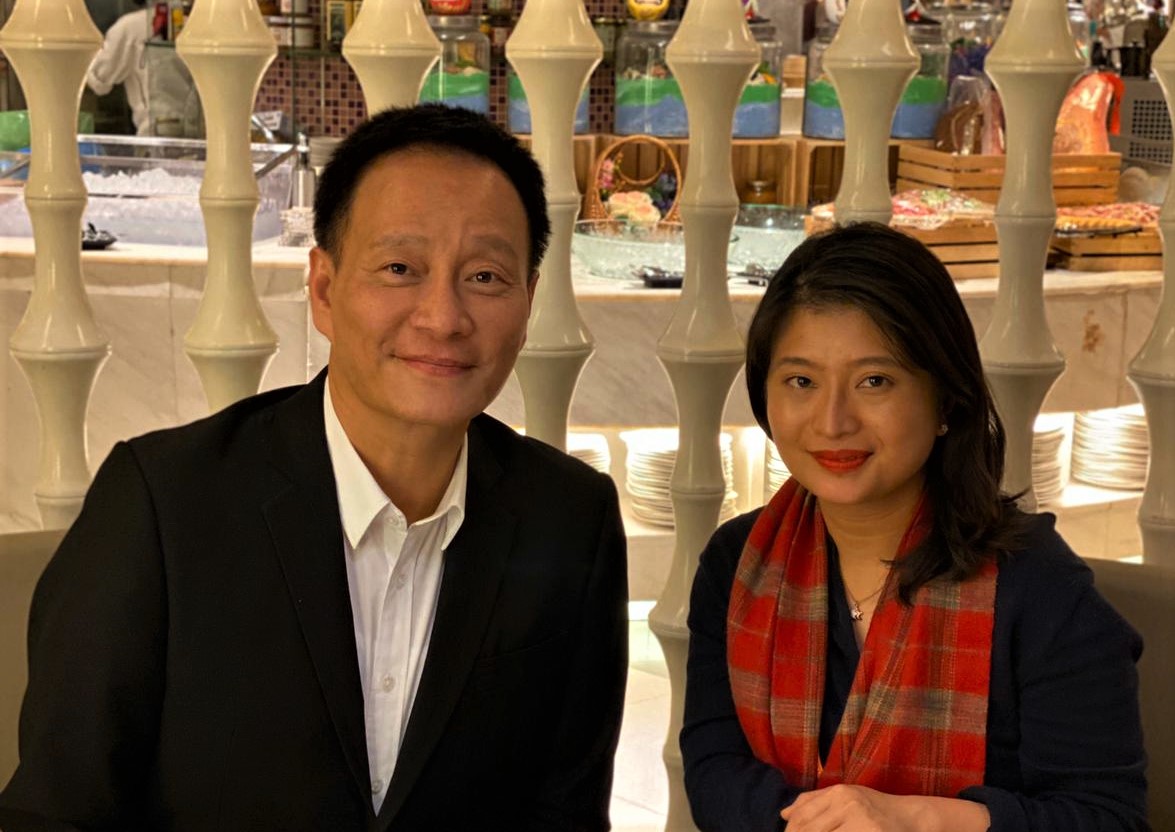
I have known some members of the management of Sino Group for many years, the active business conglomerate in Hong Kong and Singapore. When they were young and I was younger, we worked together to promote art and creativity in Hong Kong. They are pleasant, sincere and respectable. Friendship was born at that moment when we said to each other, “What? You thought the same? Let’s find a time to meet again and not lose track.”
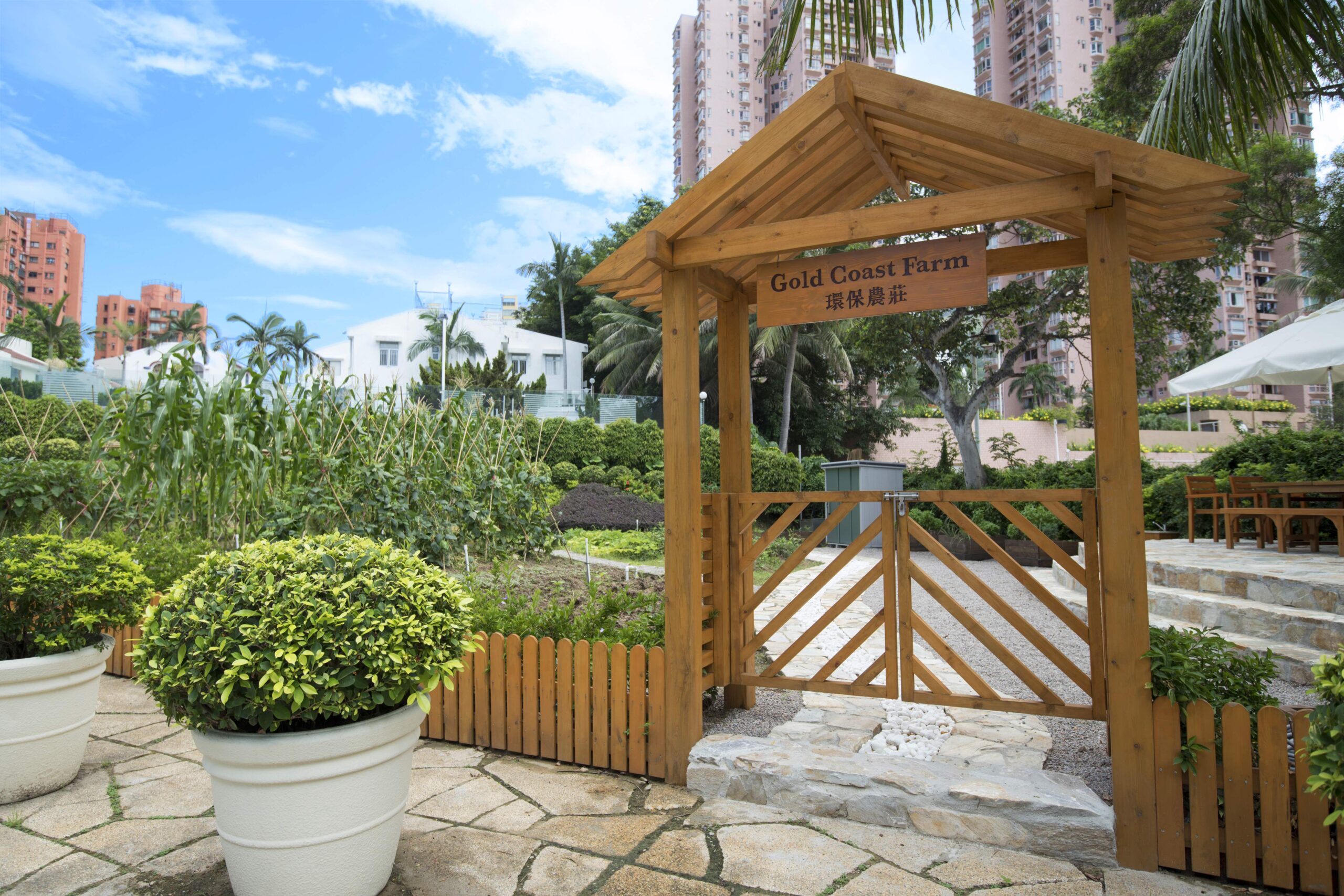
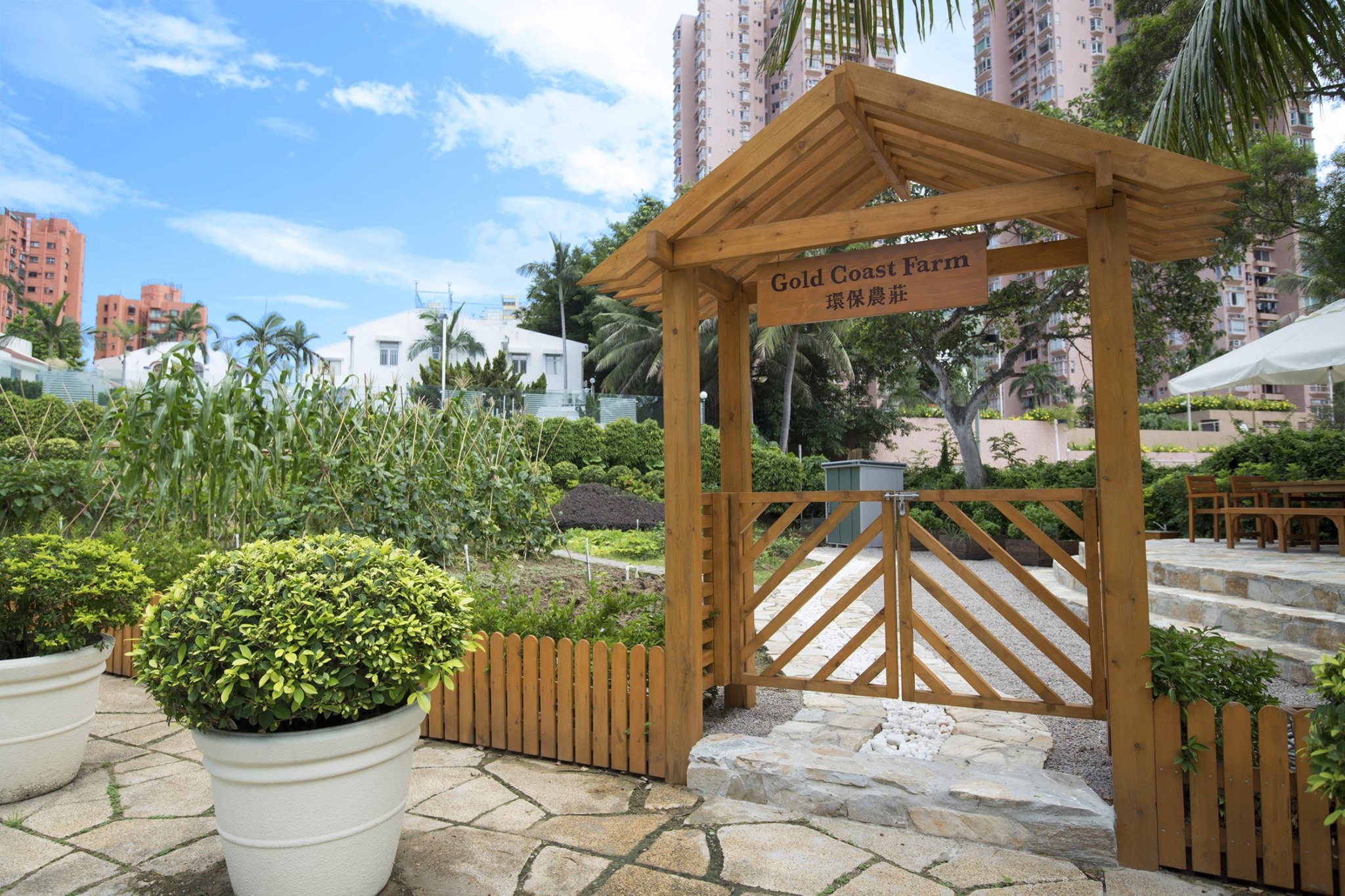
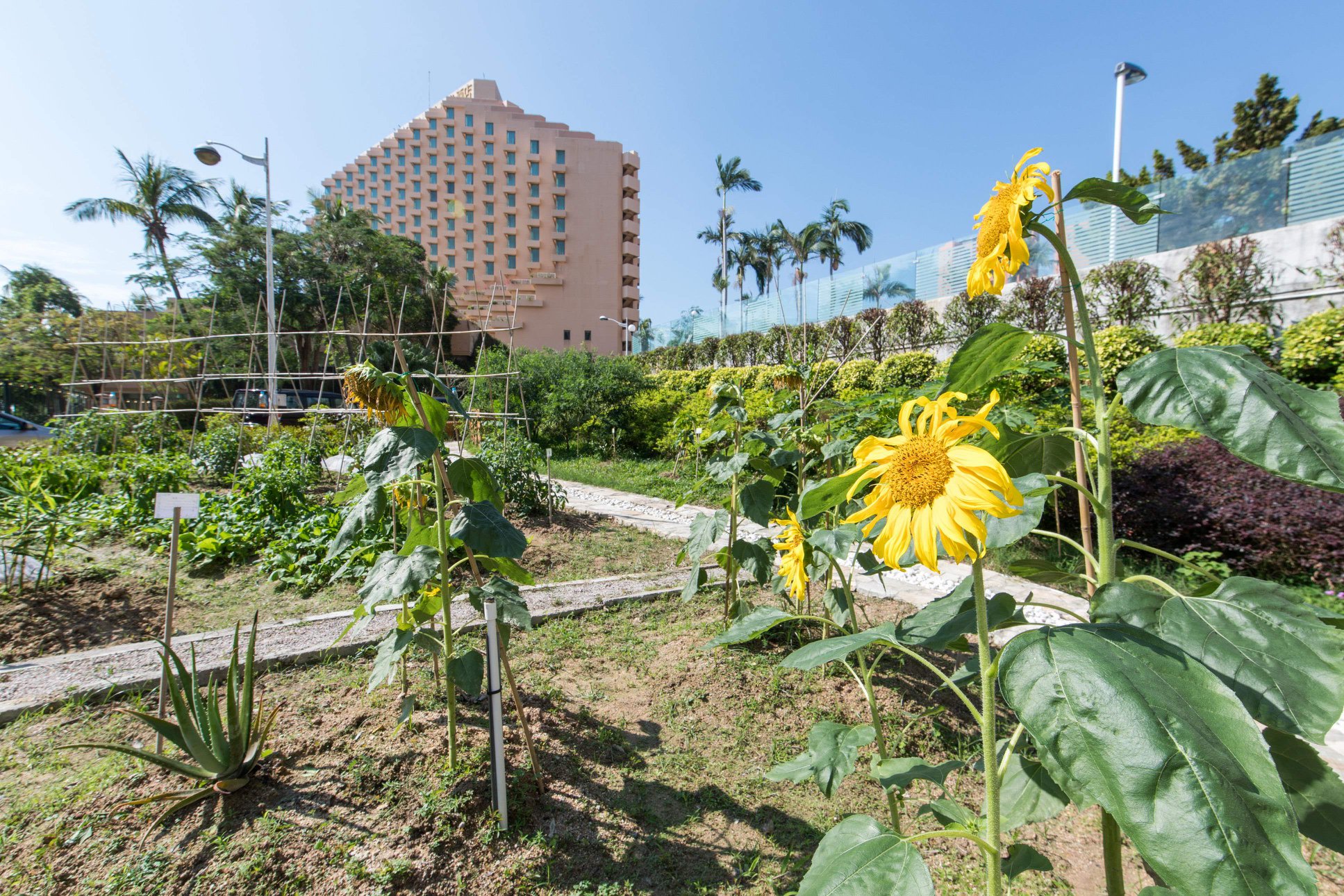
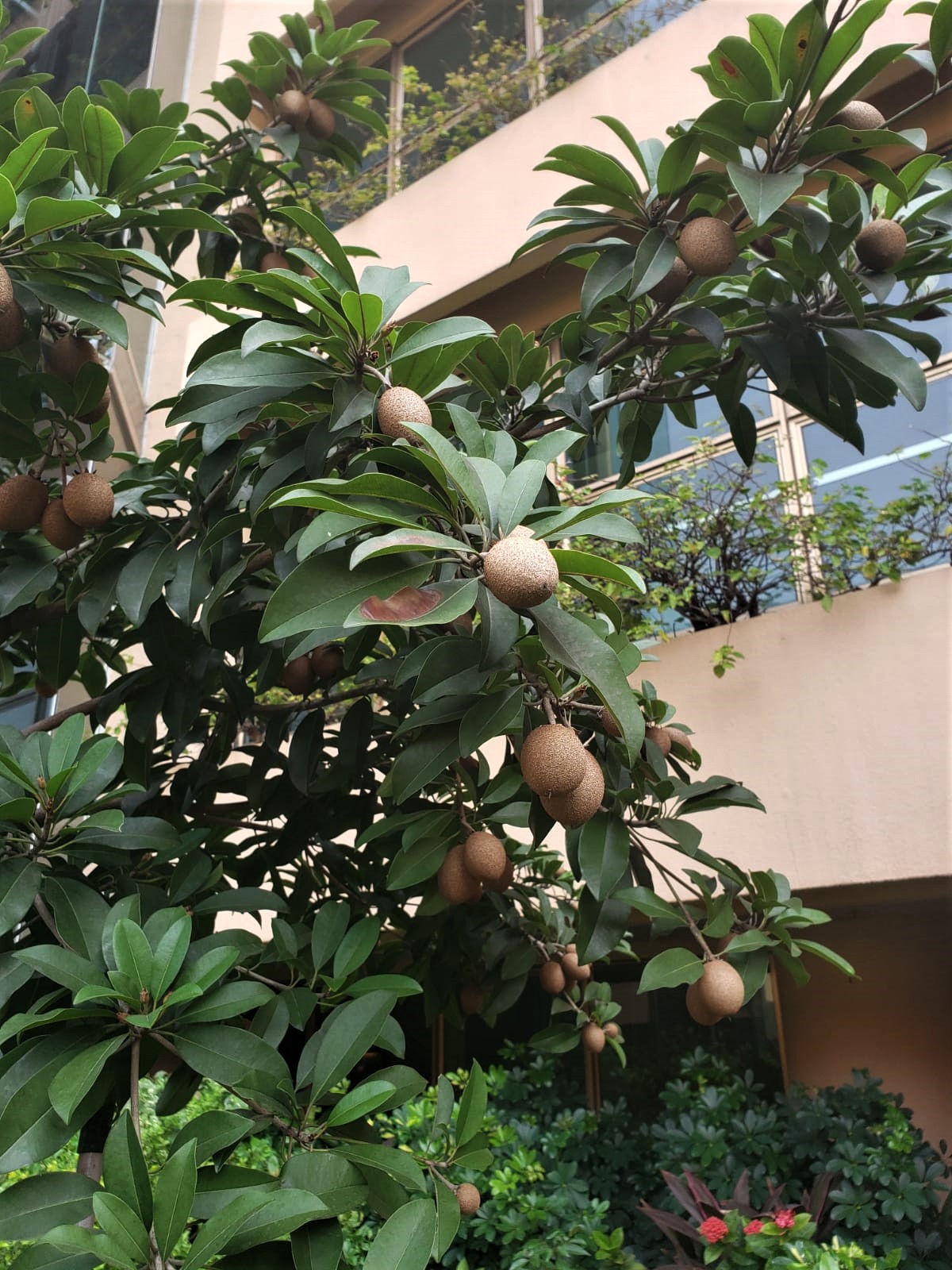
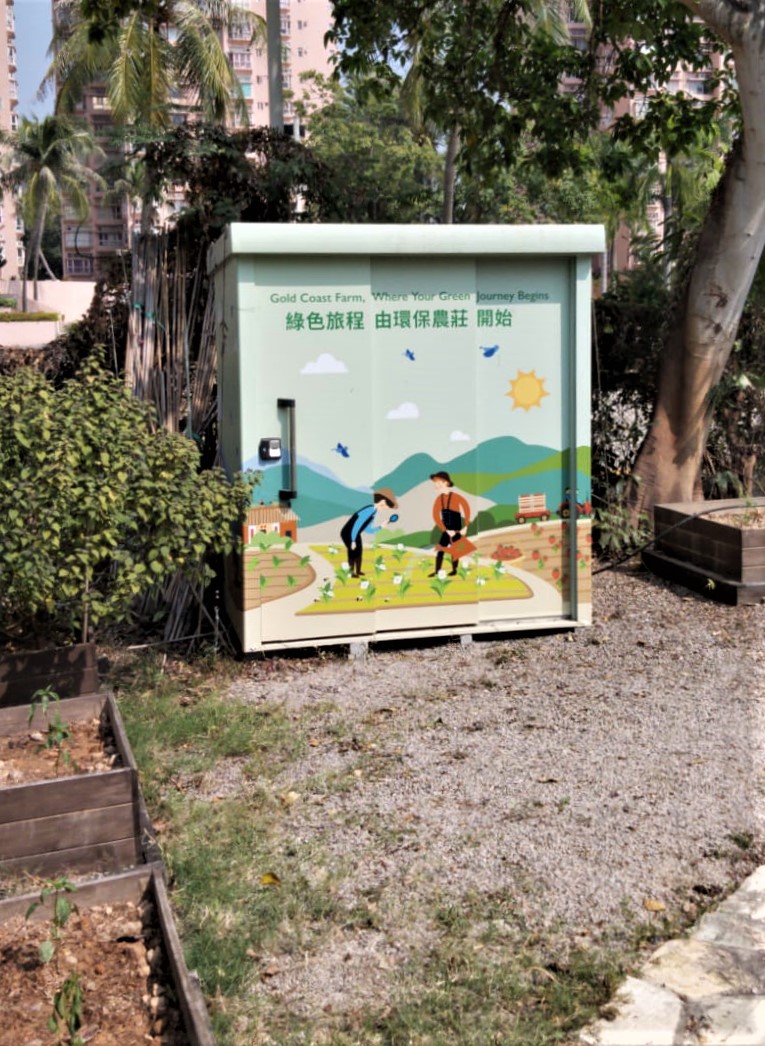
Men are not above nature. You pollute the world and that will contaminate the environment against yourself, your children and grandchildren who will be all a part of nature. At its core, the focus on a clean and sustainable environment is a matter of human survival. So, Sino’s able colleague Melanie Kwok and others set up a ‘sustainability team’ in their Group. They set in motion a project known as ‘Gold Coast Green Journey’ within their seaside Hong Kong Gold Coast Hotel. The project is a mixture of environmental and artistic education, practices and impacts. For instance, a farm was started to grow seasonal vegetables and fruits and only organic fertilizers and compost were used. A large number of solar panels were installed to produce new energy.
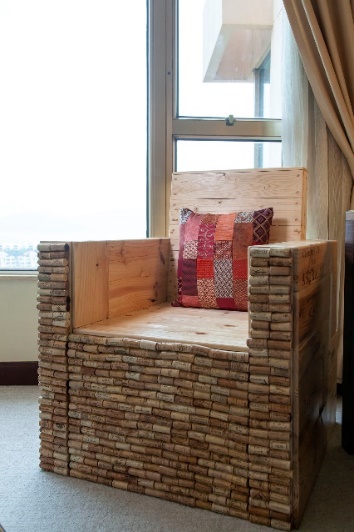
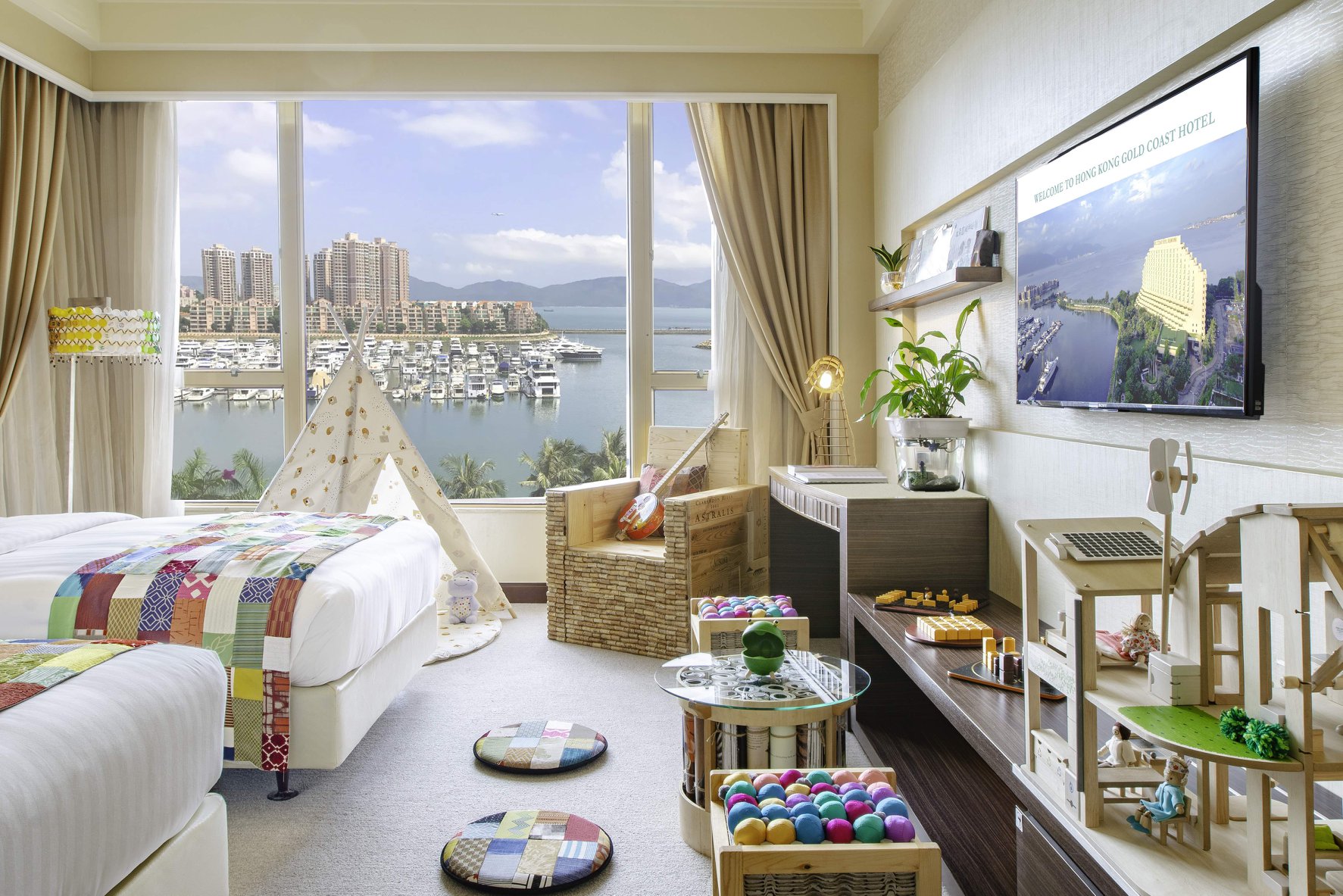
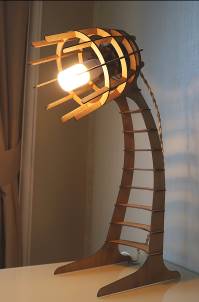
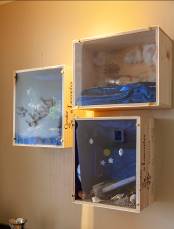
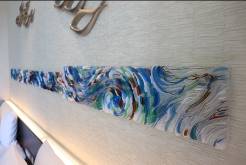
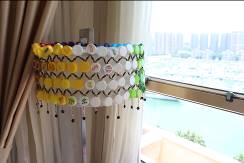
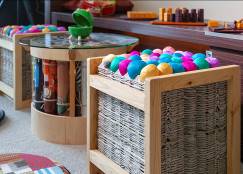
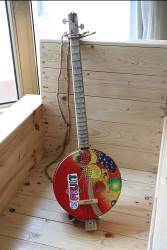
I received 3 hours of orientation to the Green Journey by Melanie. I was particularly impressed by a specially designed room known as ‘Green Upcycled Room’. They combined environmental concepts with art, such as a ukulele made of tin container and recycled wood, an armchair made of wine corks and boxes, wall art made of recycled plastic bottles, a coffee table made of abandoned magazines and egg cartons and colourful bed runners made with upcycling materials. The Room is a pertinent platform to showcase the unlimited possibilities of integrating environmental ideas into art. I call such an interesting notion ‘Green & Art’.
For ‘Green & Art’, I must adore the artists who made use of dust, ashes and dirt in their contemporary artwork. Artist Zhang Huan used the ashes from the incense sticks burnt in temples and turned them into sculptures. What an amazing idea!
During our chat, Melanie told me a moving story. She said, “The carpenter who made the ‘green ukulele’ confessed to me that he often felt bad when he had to knock down many trees. It is reparation for a ukulele that he could now use the trash wood to ‘upcycle’ it to become music.”
In return, I told her a tragic story. There is a family of wild boars living near my house. The baby boars did not have enough to eat and often swallowed plastic bags from the litter bin as their food.
Mankind did more damage to the environment during the past 50 years than in all of the past. People are not ashamed of their sin of polluting because others are also committing the blatant crimes. The educational notion of ‘Green & Art’ is a good experimental solution.
All parents of little kids love their children. We do not want them to become another ‘prince’ or ‘princess’. Education of the right values is more than important. A mother once told me, “Apart from schools, kids should grow up in museums.” A better Hong Kong shall not let education slide. An organic farm is the other place that kids can now learn. Schools must not simply teach knowledge and skills for examinations—they should teach our children life and life consists of 2 beautiful worlds, the Nature which is over-consumed and Art which is under-consumed.
This article can also be found at the following sites: