
Toys are often symbols of pride, assurance, joy, and emotional connection. The deeper meaning of toys is nowadays about money, and about a very sophisticated modus operandi in marketing.
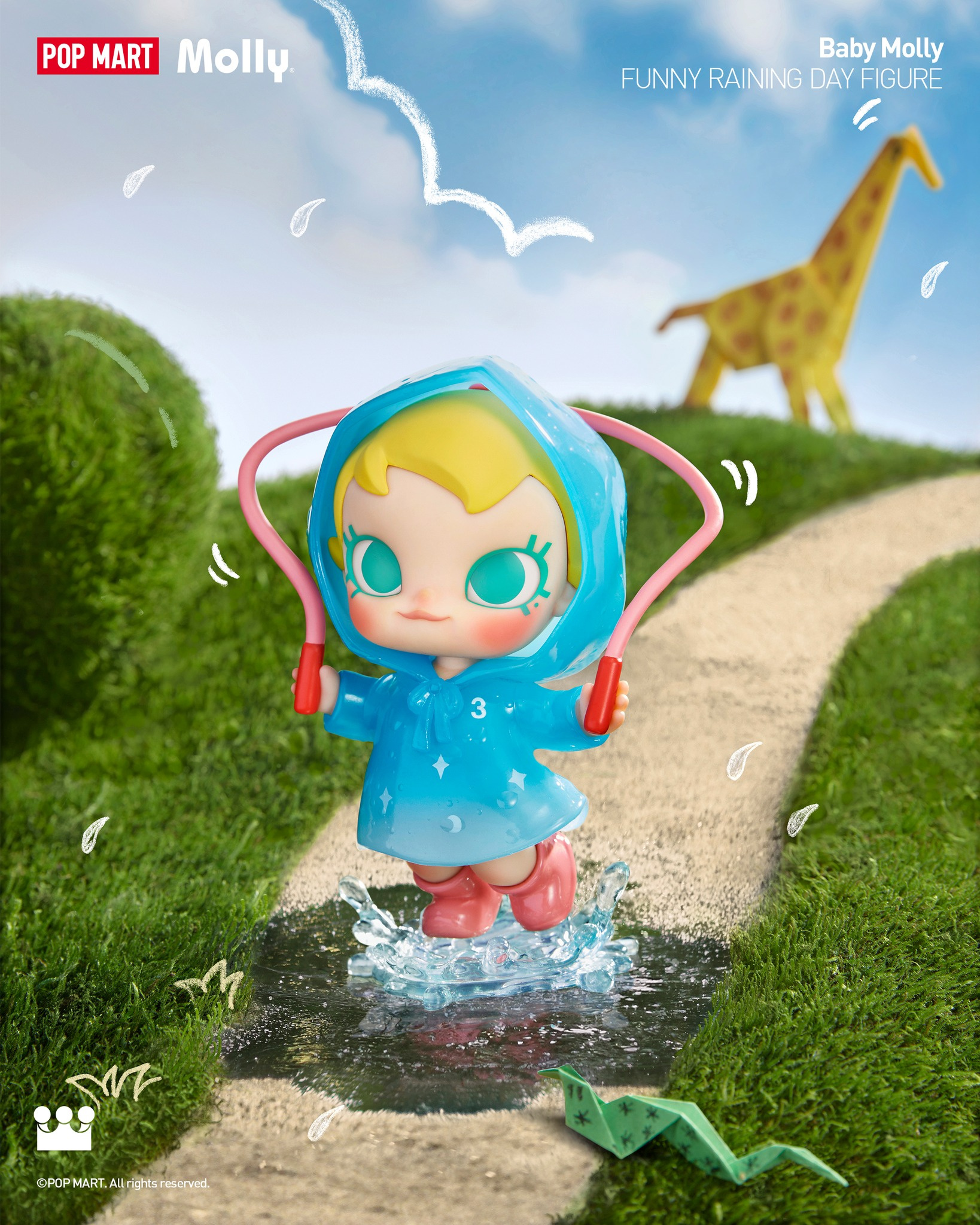
Do you still have memory retention of the old toys like Astro Boy, Cabbage Patch dolls, Hello Kitty, Doraemon, Barbie and Crayon Shin-chan?
BBC News reported that whether you reckon they are cute, ugly or just plain weird, chances are that you have heard of the furry dolls that have become a global sensation—Labubu.
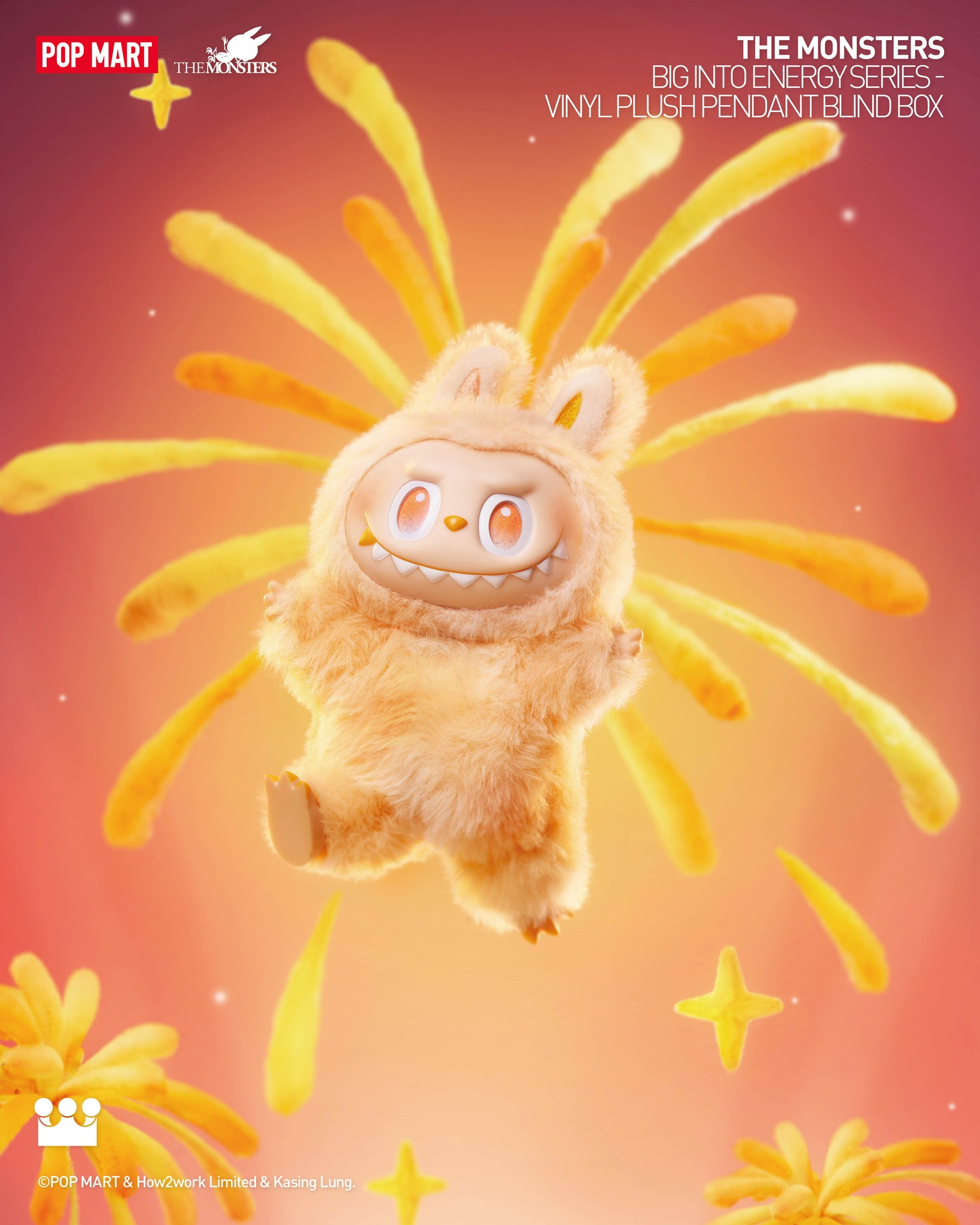
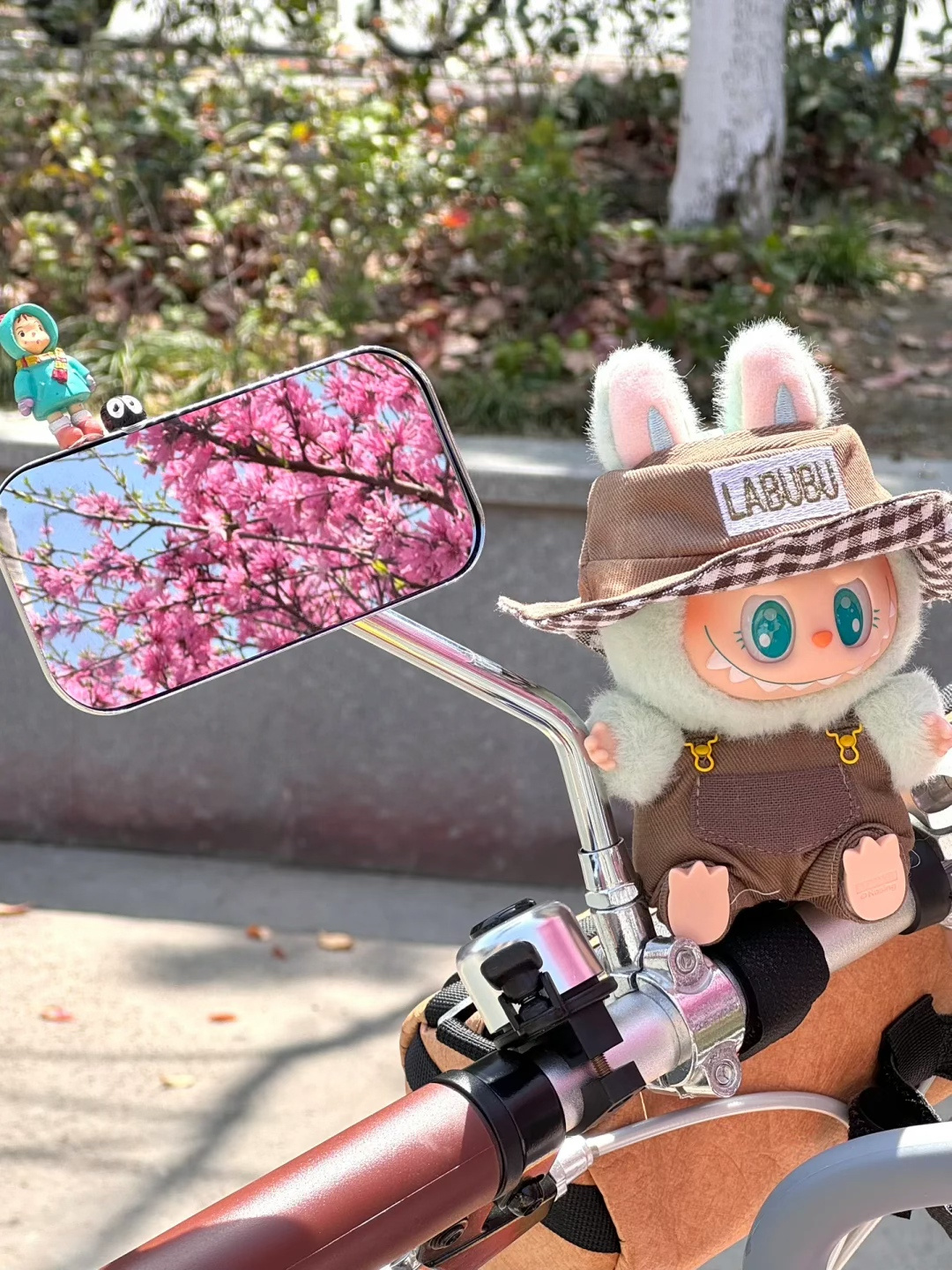
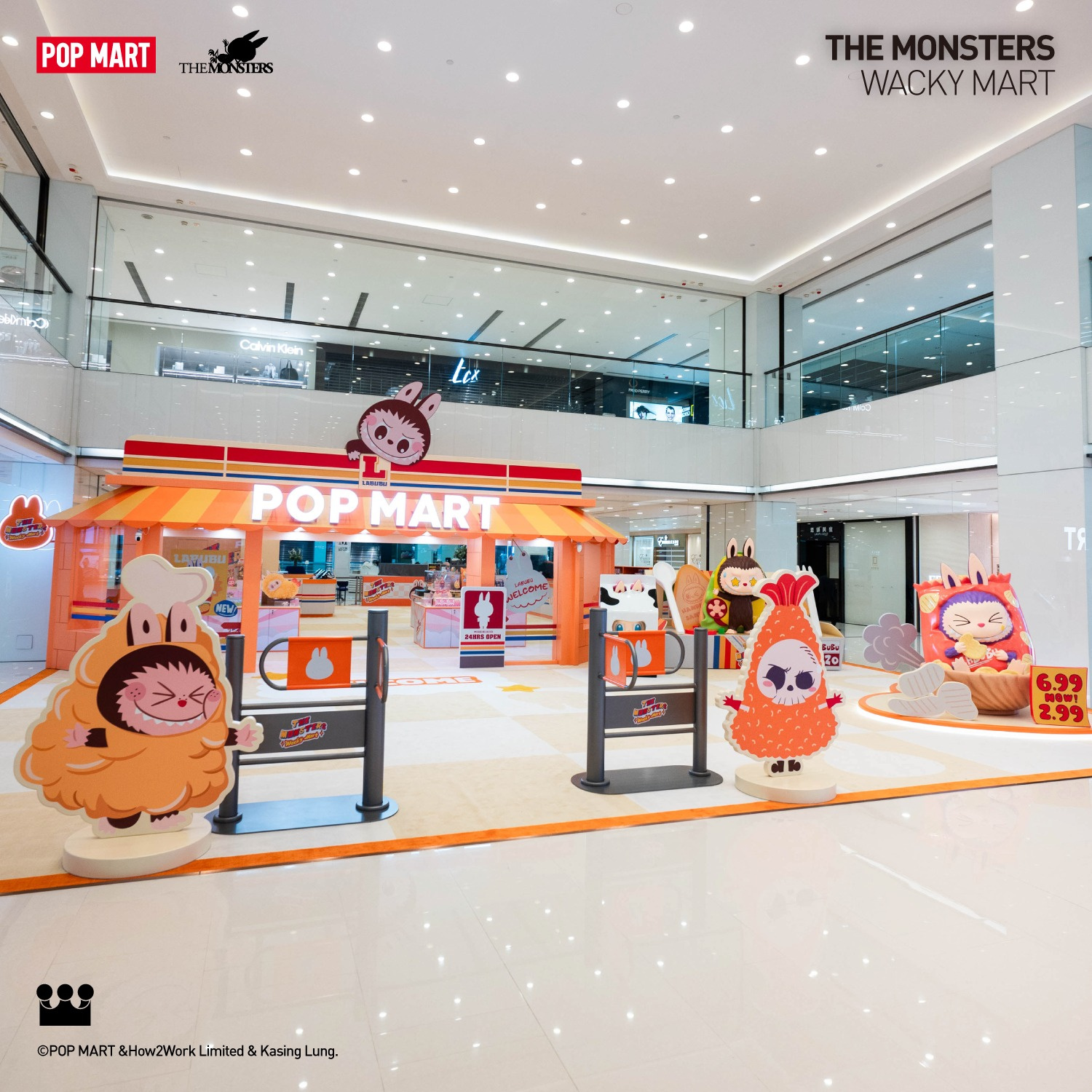
Labubus were storybook characters created by the Hong Kong-Belgian artist Kasing Lung (龍家昇). There are more than 100 different labubus in the series. The toy collection did not cause a global craze until Lung teamed up with a Chinese toy company Pop Mart (泡泡瑪特)in 2019. The revenue generated broke the sales record of any recent popular toy in the world. Over a few years, Labubu has been spotted on the bags of pop stars like Dua Lipa, Rihanna, and Lisa from the K-pop group BLACKPINK. The tricks are celebrity endorsements and social media buzz.
Labubu dolls come in various colours and looks and are sold in “blind boxes”, meaning the figure inside the box is a mystery until opened. The excitement is the surprise element, and the chance to unbox a rare “secret” doll. People thus invest and speculate in the rare dolls. A special second-hand Labubu can fetch over US$200 which is many times the original price. A human-sized Labubu figure was sold for over US$150,000 at an auction in Beijing, setting a new record for the collection toy. Can it be a market manipulation when someone artificially gives the toy an unreasonably high price tag through an auction which can be a “mark-to-market” maker?
The following is the modern game behind the craze of toys? Toy company finds a good designer to develop the appearance and character of a figure. It is not popular to have a good little boy or girl image anymore. The toys should have a mischievous and rebellious glint. Then, its name and drawings will be registered with governments as an Intellectual Property all over the world for the proper legal protection. The products will be distributed and marketed. One of the common marketing trick is “seeding”. Seeding is a strategy of placing the toy obviously in front of a target audience, often through movie stars, singers, athletes ,and influencers to generate buzz and word-of-mouth promotion. Sometimes, it involves giving away figures to these celebrities in a subtle non-commercial way of encouraging their organic sharing. Sometimes, one has to pay these famous persons to hold the toy and take a photograph for the social media. The cost can be higher than one million Hong Kong dollars when he or she is an A-lister!
The next punch to throw is “blind boxes”. Dolls are put in sealed boxes but you do not know whether the box that you bought will contain the figurine that you want until it is unpacked. Blind boxes appeal to element of surprise and excitement. While they can boost sales, customer engagement and social media sharing, they can also lead to youth overspending, customer disappointment and even addictive shopping behaviours. Repeated negative experience with blind boxes may damage a brand’s reputation.
Its short-lived popularity will also affect the share price of any public company which manufactures the toy in question in a very dramatic way. When the toy is suddenly sold well, speculators who sometimes include some shareholders of a toy company, will cause the share price to go up as the huge financial gains of the company are expected. Contrary to usual, these speculators will try hard to push up the demand for the toy so that the sharp increase in the share price will mean a greater return to them. It is also important to make the toys look short in supply in the market so that the second-hand price of a toy can be raised.
Retailers typically market toys in trunks, each in turn containing certain blind boxes. Each truck of many blind boxes may contain just one or very few limited-edition figurines, the most sought-often item in a series of characters.
Some countries including Belgium have banned the controversial gaming feature known as “loot boxes”, in that players are forced to make purchases without knowing if he will get an intended item.
Toys are supposed for decent fun and proper enjoyment. They should not become a jackpot business which irrationally excite children and youngsters into indulgent purchases and gambling tendency.
Chinese said, “過猶不及, going too far is worse than not going far enough.” Perhaps it is the right time to discourage excessive marketing tactics in toy business which do produce negative effects on society.
This article can also be found at the following sites: