
“There was no such thing as a fair fight. All vulnerabilities must be exploited.” In the business world, we are all in the middle of nature beauty contest.
Pop concerts in Hong Kong usually take place in 2 venues. Hung Hom Stadium, officially the Hong Kong Coliseum (紅磡體育館), has a seating capacity of 12,500 people and it is a famous large indoor arena for concerts. Kai Tak Stadium (啟德主場館), completed in 2024, is new and holds 50,000 people along with a retractable roof. It is now the most popular facility for international singers.
The investment of large-scale pop concerts in Hong Kong cost tens of millions of dollars. Before 2000, such concerts organisers were chiefly local. The parade of investors were such as Yiu Wing Entertainment Company (耀榮娛樂), Fun Entertainment (天星娛樂), Media Asia Entertainment (寰亞娛樂) and Emperor Entertainment (英皇娛樂). Time changes everyone and everything. It is a pity that in Hong Kong, not only people are aging, and companies get old too. Established entertainment companies began to invest conservatively. They hold concerts primarily for financial stability and steady income. They tend not to chase high but risky returns, and naturally lose the emerging Chinese Mainland pop concert market which consists of more than 100 big cities and audience of more than 36,500,000. The lack of enormous capital into the concert market by local players is a worrying trend.
In the old days, the concerts of local singers usually started in Hong Kong and departed from here to the other cities of Chinese Mainland. Now, the trend is reversed. The wealthy Mainland concert organisers enter into a contract with popular singers here for a huge number of shows and a reward of megabucks in order to capture the bigger Mainland market.
Hong Kong is now just one of the many stops of the local concert tour. There can be more than 100 shows on tour and Hong Kong share can be smaller than 10 percent. The discourse power is no longer within the authority of the Hong Kong organisers. As a result, the style of Hong Kong singers’ concert is more and more “Mainland” because producers have to work hard to satisfy and right up the alley of the Mainland audience. The need for this taste adjustment at present affects the stage design, music arrangement, costumes, choreography and even the selection of songs of a Hong Kong singer’s concert.
The challenge for the Hong Kong concertgoers is whether to accept the modified styles, or insist on where the original Hong Kong vibe of a Cantopop concert is supposed to be.
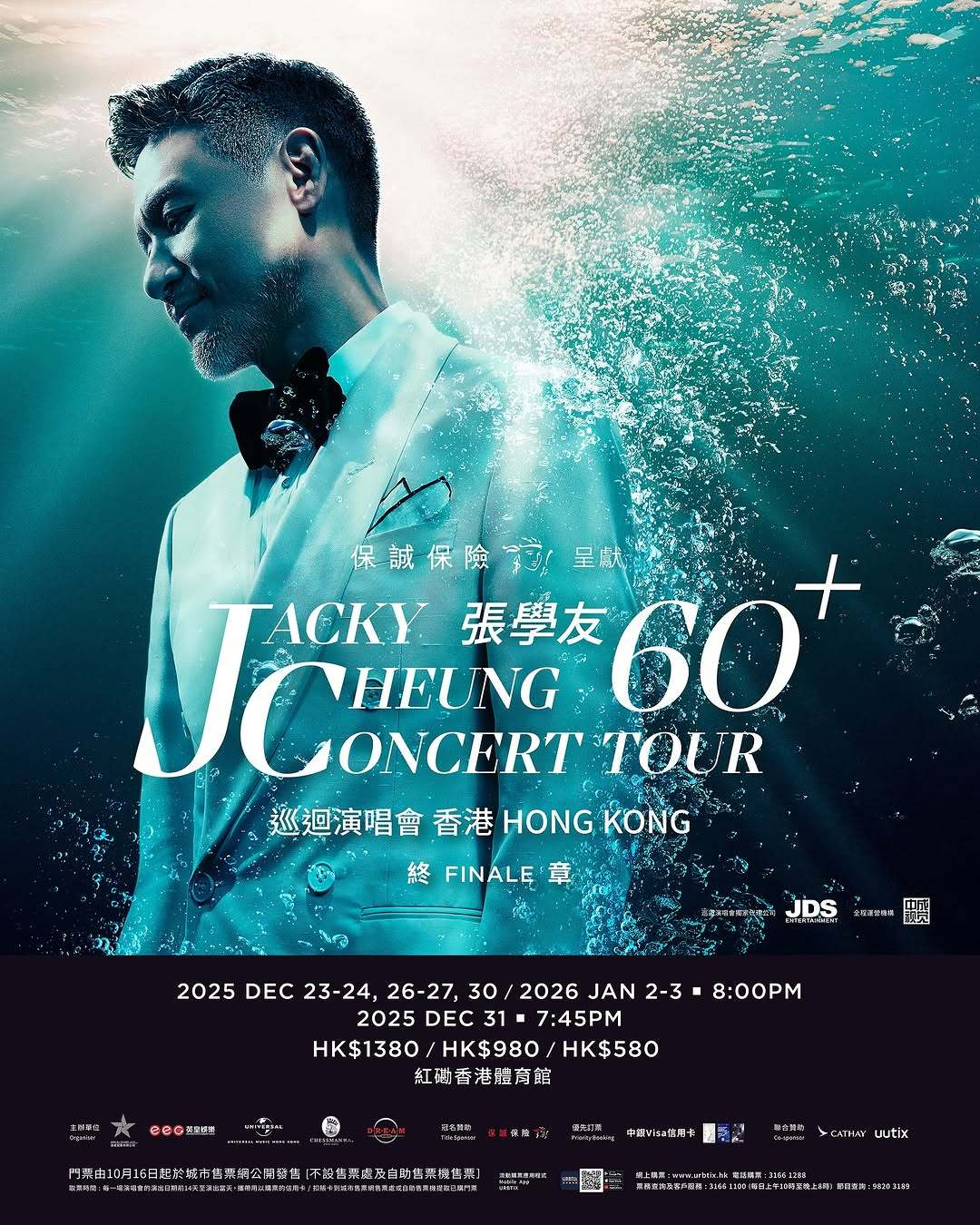
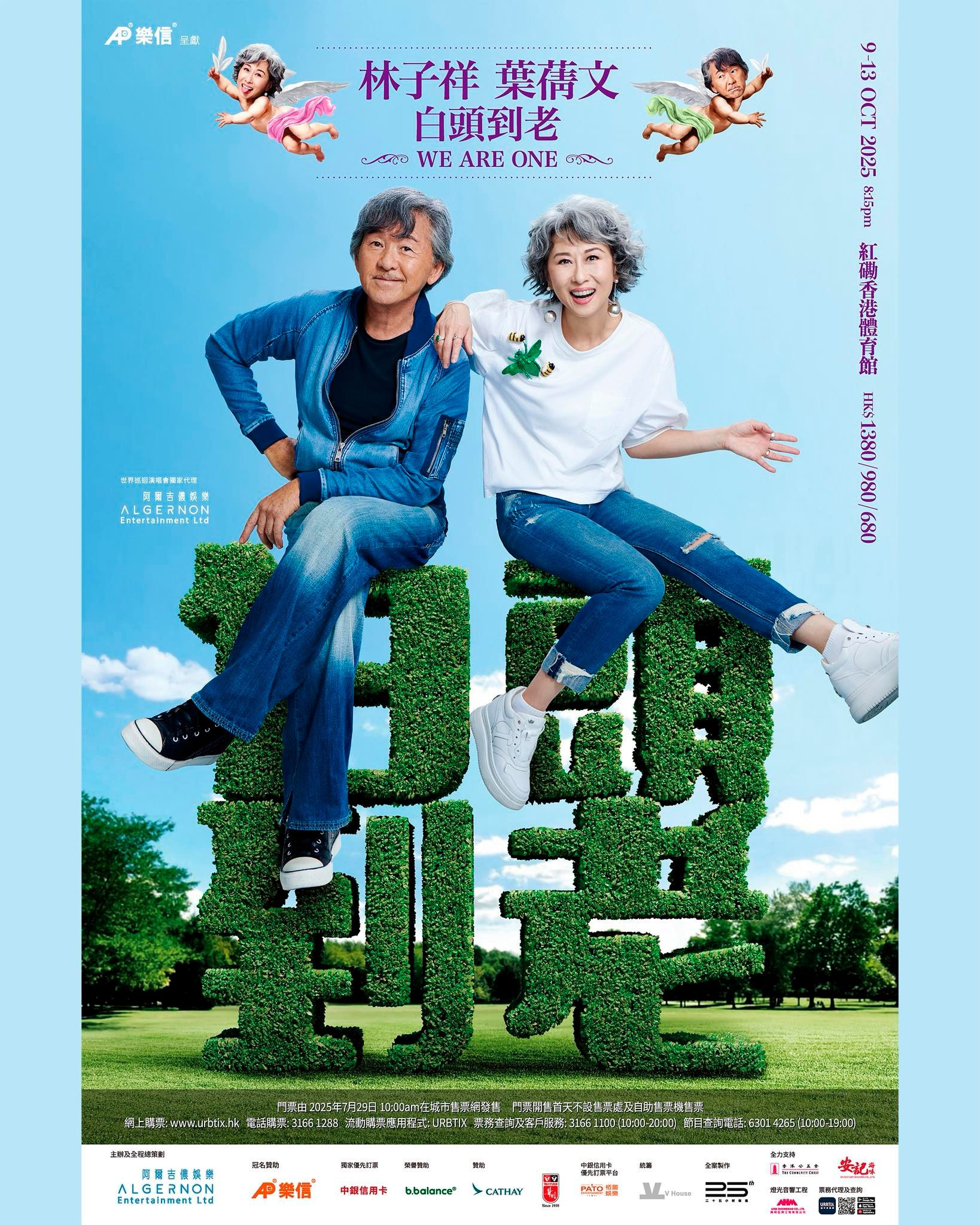
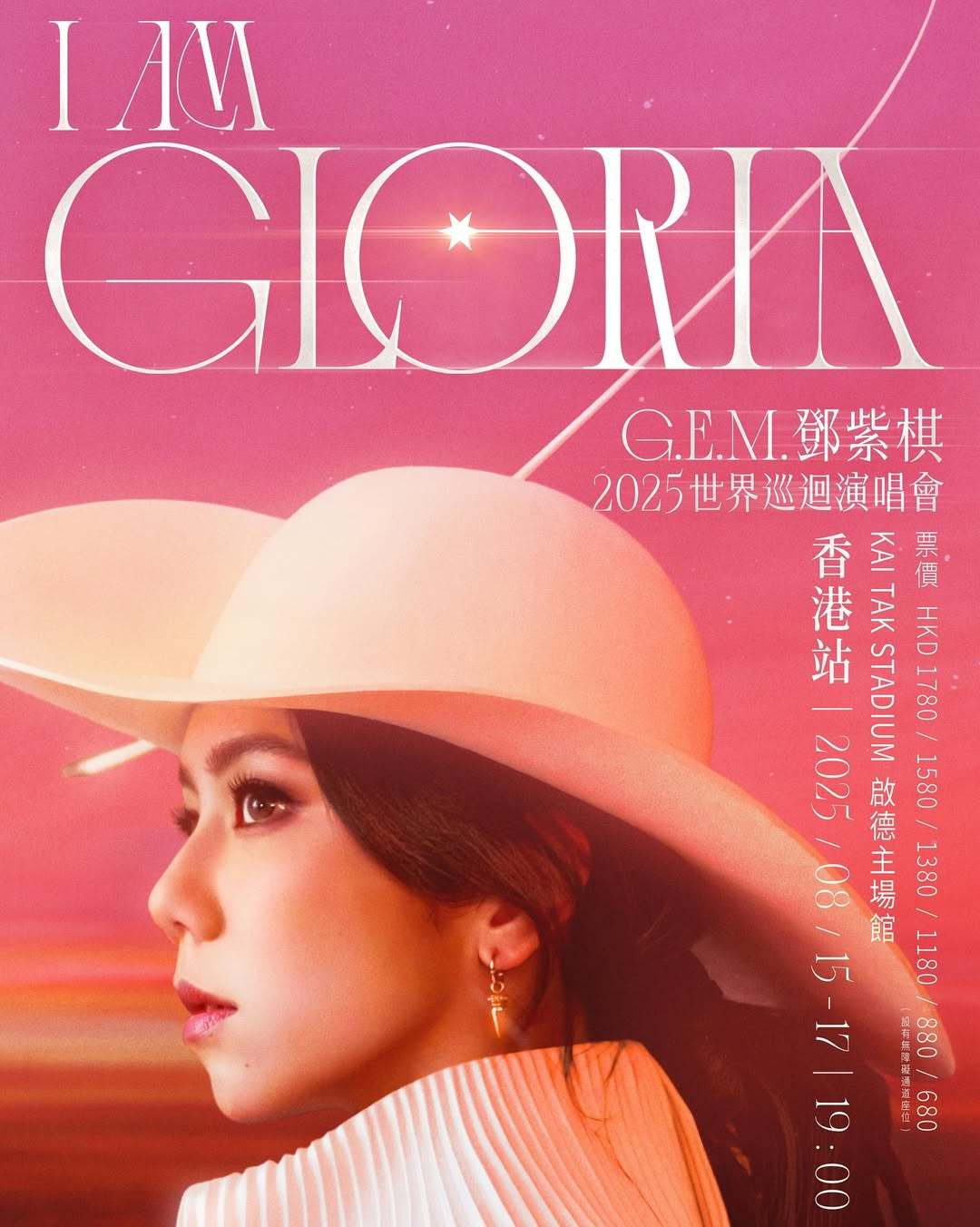
I recently watched the concerts of GEM (鄧紫棋), Sally Yeh & George Lam (林子祥和葉蒨文) and Jacky Cheung (張學友). They are Hong Kong singers. The concerts are either presented by the Chinese Mainland organisers or a result of the joint venture of local companies with big PRC masterminds. In fact, most of their concerts these days are first held in the Mainland. Hong Kong is simply an ordinary stop. The money to be made is more from the series of performances that travels across multiple cities within our country.
For example, many of the front-of-house and back-of-house staff in Jacky Cheung’s concert are from the Chinese Mainland. You may say it is a sign of artistic multi-dimensions or a harbour of cultural inclusiveness. Nevertheless, the paradigm shift changing the underlying characteristics of “Hong Kong concerts” certainly implies that Hong Kong is now being culturally integrated into the Chinese Mainland. The metamorphosis indicates that Hong Kong is no longer the leader of pop culture among the Chinese. It also means that there has been and will be a continuing talent drain of Hong Kong pop artists into the Mainland which can offer a bigger market. Obvious cases include Nicholas Tse (謝霆鋒), GEM (鄧紫棋) and Aarif Rahman (李治廷). These artists moved their base to other major entertainment business hubs with massive job opportunities such as Beijing and Shanghai in China.
Cities are forced to specialize due to agglomeration economies because concentrating related industries will create greater efficiency and skilled labour pools.
Hong Kong should and will remain as an international financial centre in terms of the said “city specialisation”. Our creative and cultural industries are however being supplanted, although we are reluctant, by other cities of the Chinese Mainland, and also seized by the aggressive investors from these places.
This article can also be found at the following sites: