
The relationship between performances such as dramas and concerts is symbiotic: the physical space like a theatre, concert hall or stadium facilities how a piece of work is created, experienced and appreciated.
The first formal and professional performing venue in Hong Kong is Hong Kong City Hall (香港大會堂) in Central which was officially opened in 1962.
Before 1962, concerts or operas were often held in two kinds of venues. In those years, there were local theatres in almost every big district of Hong Kong. Films and shows including Cantonese operas (粵劇) took place there. Sometimes, performances like classical music concerts were held in private clubs. Western concerts were presented in places such as The Hong Kong Club (香港會). Chinese music concerts were regularly staged in Confucius Hall (孔聖講堂) in Causeway Bay which was built in 1935.
In the 1940s, 1950s and 1960s, the colonial government of Hong Kong avoided encouraging local arts and culture to develop in order to prevent the awareness of national identities among the Chinese majority of the population. The government was also afraid that arts and culture, if their contents were sensitive, might incite strong feelings of anti-colonialism. This has been why in Hong Kong, all films slated for public exhibition must be censored by the government. It is interesting to note that stage performances were however not required to obtain any prior approval before public release in Hong Kong.
The oppressive art and culture policy of the colonial government was relaxed by Governor Murray MacLehose (1971-1982). He tried to transform Hong Kong from a “cultural desert” (文化沙漠) to a vibrant city with plentiful performing art activities in order to satisfy the rising expectations of the public.
In or about 1973, Sir Murray MacLehose reformed the functions of the former Urban Council (市政局) by giving it the additional duty of building arts and cultural facilities in Hong Kong especially performing venues. The body that operated from 1883 to 1999 was initially established to manage basic sanitation and street cleaning. This organisational restructuring milestone is a significant achievement in the cultural history of our city. The Urban Council then launched to build a number of performing venues including the impressive Hong Kong Cultural Centre (香港文化中心) in Tsim Sha Tsui, Sheung Wan Civic Centre (上環文娛中心) and Kwai Tsing Theatre (葵青劇院) etc. Concerts and plays in Hong Kong finally found a great shelter in Government facilities.
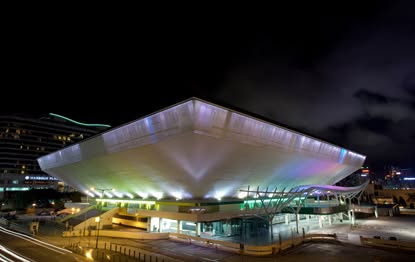
One of the major feats of Sir Murray MacLehose was to construct a huge, inverted pyramid-like stadium called Hong Kong Coliseum (紅磡香港體育館) along the Victoria Harbour. It has a seating capacity of about 12,000 for concerts. The architecture is admirable and very iconic in Asia in the 1980s!
In the midst of building continuously, like under an autopilot scheme, civic centres and town halls with theatres in many districts in Hong Kong, the Government wonderfully announced in 1998 that it would develop one of the world’s most ambitious arts and culture projects near the Western Harbour Tunnel. The huge area would be named the West Kowloon Cultural District (西九文化區). It would contain more than seven performing venues. This project encountered too many problems and difficulties during its implementation process. The bad news is that time flies. The good news is that at present, still more performing venues are being constructed there.
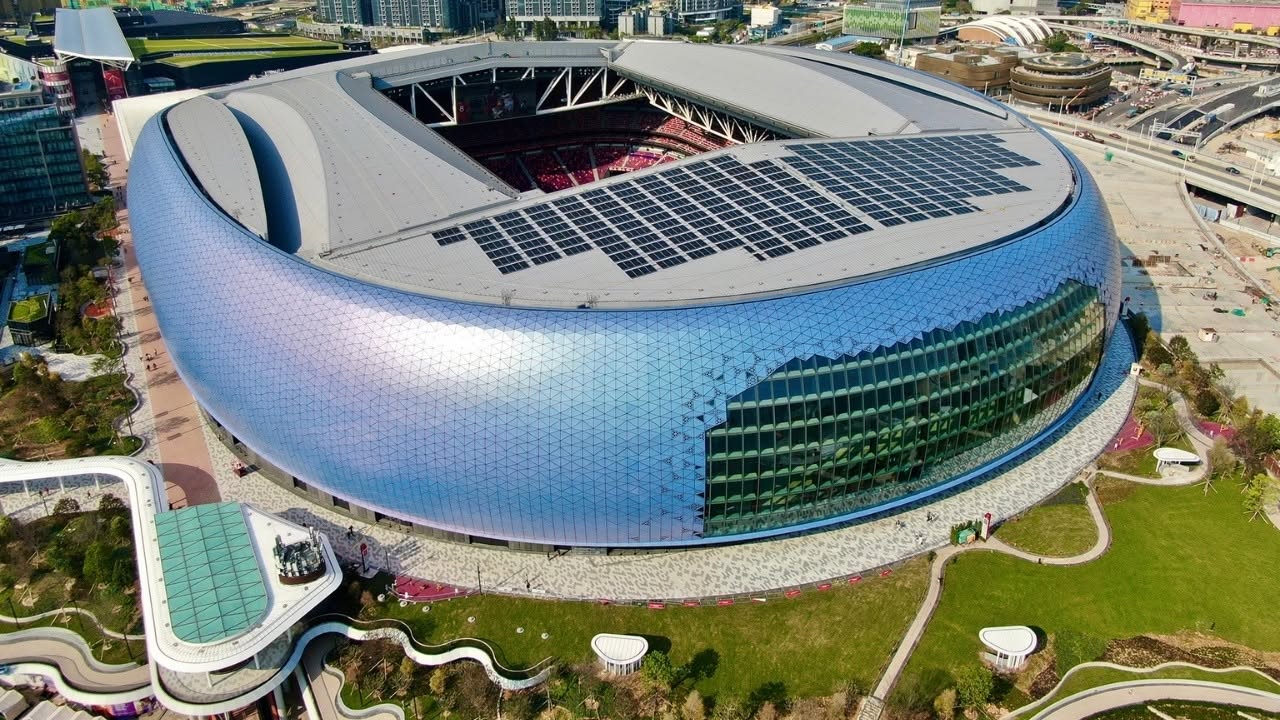
The world-famous Kai Tak Stadium (啟德主場館) is the centerpiece of the Kai Tak Sports Park (啟德體育園). The project providing sports and performing facilities was planned in 2000 and the stadium was officially opened in 2025, marking the completion of the largest performing infrastructure project in the history of Hong Kong. It can accommodate 50,000 spectators in a concert. International superstars are keen to perform in the place.
The Government recently released a policy that Hong Kong Coliseum will be used chiefly for concerts, and sports events will no longer be a priority. This policy shift, if not a reform, is a good move that should encourage more local and regional pop concerts to take place in Hong Kong. Now, pop concerts, one after another, are being held in the Coliseum entertaining millions of spectators especially those from cities of the Greater Bay Area. The ambition of our Government is to make Hong Kong the “Events Capital of Asia (亞洲盛事之都)”. High accomplishments always take place in the framework of high-sounding expectation, and this is a great direction indeed!
Without arts and culture, the social crudeness of a lot of people here would make Hong Kong unbearable. The lack of spiritual enlightenment will also handicap the creative capability of the people especially the youngsters here, but a creative soul among them will be what matters in future if Hong Kong wants to become one of the top financial and technology centres in the world.
This article can also be found at the following sites: