An open world means competition from anywhere. The weaker is trampled upon by the stronger. But, competition is always a good thing. It forces us to do our best.
Before, our neighbouring city Shenzhen focuses on industry and technology. Right now, it successfully explodes itself as a modern shopping paradise. There are incredibly many multi-purpose mega-malls combining high-end shopping, vast food scenes and entertainment zones (even indoor ski centre) under one roof. It attracts thousands of people from Hong Kong to cross the border to spend money there at weekends. Whoever said shopping cannot get happiness simply because they do not go to the extremely fascinating malls in Shenzhen.
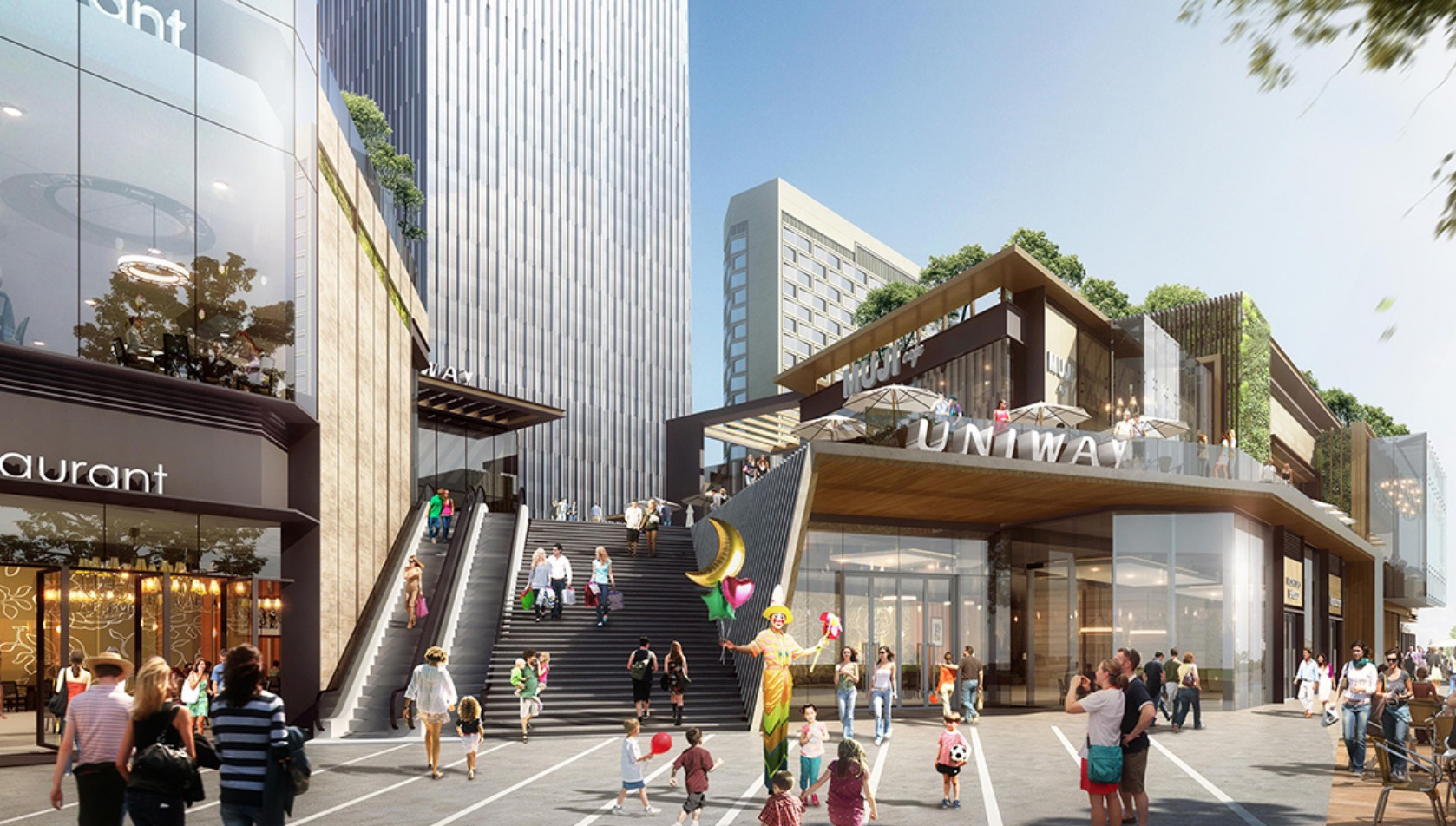
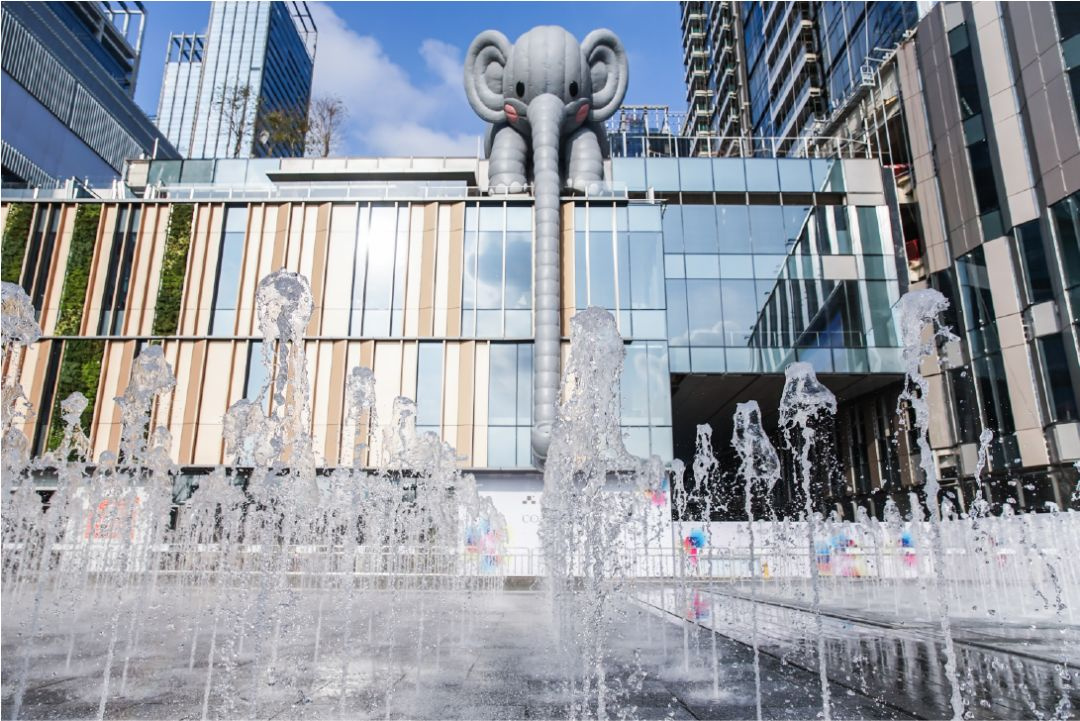
The five largest malls that I love in Shenzhen include Shum Yip Upperhills (深業上城), Futian COCO Park (福田星河COCO Park), MixC World (萬象天地), Uniwalk Qianhai (前海壹方城), and PA Mall (平安金融中心). Every victory against buying or eating too much there requires courage!
China is able to incubate an impressive community of fashion and other products. These “Made in China” and “Designed in China” goods occupy most of the Shenzhen shopping mall shops. This is why they are excitingly different from the acquainted ones in Hong Kong.
These days, Shenzhen opens up another front to compete: arts and culture. Shenzhen has roughly 76 million domestic tourist visits per year, and about 13 million recorded outside visitor arrivals. Hong Kong welcomes approximately 50 million tourists per year and more than 75% are from Chinese Mainland. Shenzhen is currently very ambitious. It is actively pursuing a strategy to become a world-class international tourist destination. It leverages its famous identity as a high-tech metropolis. It is thus expanding at a high speed its arts and cultural infrastructure like libraries, museums, galleries, and theatres to attract more domestic, Hong Kong and global travellers.
The effective means adopted by the government there is that land developers are often imposed with a duty to build arts and cultural facilities in their projects. The facilities will be run by the government or private enterprises after completion. Close to the Korean model, the government also directly invests in films, stage performances, dance shows, and so on. More surprisingly, the government does not employ a “local first” policy, and foreign artists or art professionals are often “imported” to work with Shenzhen ones. This is actually a great idea to train up their local talents. Shenzhen was officially established as a city only in March 1978. Shenzhen’s arts and culture used to be behind Hong Kong which has been enjoying the “East meets West” cultural status blending Chinese and Western arts together for more than 150 years.
Hong Kong talents are often reluctant to work in the culturally vibrant cities like Beijing and Shanghai in the Mainland as they are too far in terms of distance. A drastically different social and cultural environment there is another deterrent. Shenzhen is however not the same. It is next to us. Work culture and lifestyle are not much unlike. One can travel between Hong Kong and Shenzhen in just 15 to 30 minutes using high-speed trains. No wonder there is a grave concern that when Shenzhen is developing its arts and culture like greased lightning. Top talents in Hong Kong will be at the risk of being poached by her.
Very few may care about the future developments of arts and culture in Hong Kong. We are mostly Tom, Dick, and Harry. So, just relax now, and pay a visit to some of their arts and cultural places in Shenzhen like Shenzhen Museum, Shenzhen Natural History Museum, MOCAPE, Shenzhen Poly Theatre, Shenzhen Grand Theatre, Shenzhen Library North Hall… Honestly, their contents are still relatively crude in certain respects. The challenge from Shenzhen should be hopefully surmountable.
This article can also be found at the following sites: