The beauty of a city lies in the uniqueness of its culture. Hong Kong is a beautiful order out of her untidy look, so much so that the disorder becomes our beauty.
Hong Kong was a British colony from 1841 to 1997. The city’s culture is unique because of our “East-meets-West” fusion, shaped by the over 150 years of British influence combined with the deep-rooted Cantonese heritage.
Take a look at Queen’s Road East. The Old Wan Chai Post Office (舊灣仔郵政局) which is a well-preserved colonial architecture lies peacefully next to the charming Hung Shing Temple (洪聖古廟). The temple was built in 1847 by the local Chinese fishermen to ward off bad luck.
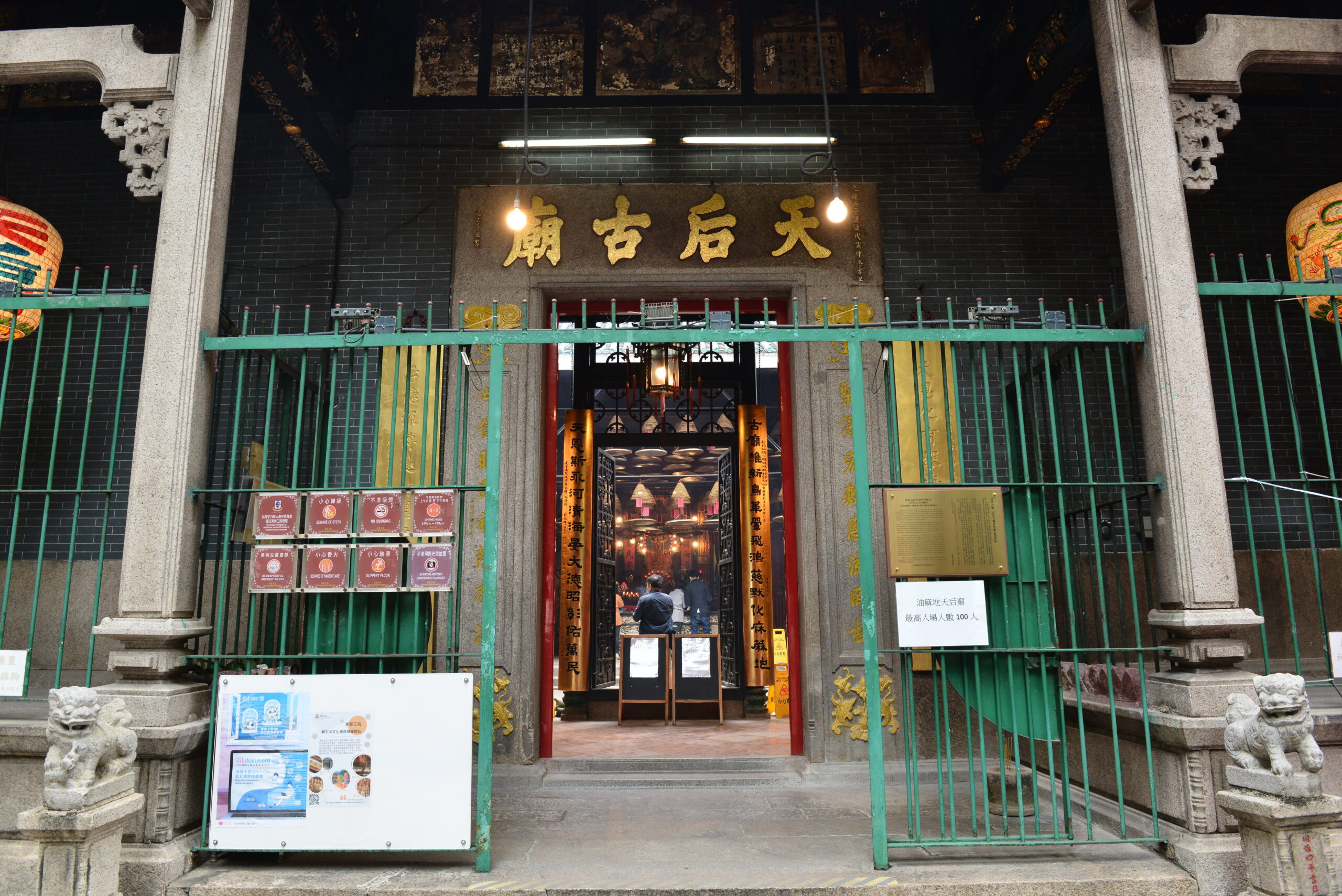
There is a teeming area in Kowloon, the peninsula of Hong Kong, that I often recommend to friends from overseas in order to showcase our great local culture. I call it the “Yau Ma Tei Cultural Rectangle (油麻地文化四角), The area is a rehash of the existing territorial allures of Hong Kong, from traditional worship, street vendors, alternative theatres, fruit market, to yummy Cantonese claypot rice (煲仔飯).
The district of Yau Ma Tei (油麻地) literally translates to “oil and jute ground” originating from its old history as a coastal gathering place of the fishing community. The name refers to the many shops that appeared around 1875 in the area selling tung oil and hemp rope (jute) to repair fishing boats.
Temple Street (廟街), originally named in 1887, evolved from the square in front of the popular Tin Hau Temple in Yau Ma Tei. In 1920s, the bustling area expanded to the 2 sides of the temple and were named Temple North and South Street. Temple Street is a famous street vendor area offering cheap goods, street food, fortune-telling and street performances. It is also known as “People’s Nightclub”. You can watch this YouTube to know more about it: https://www.youtube.com/watch?v=p8Zj4to7YTM
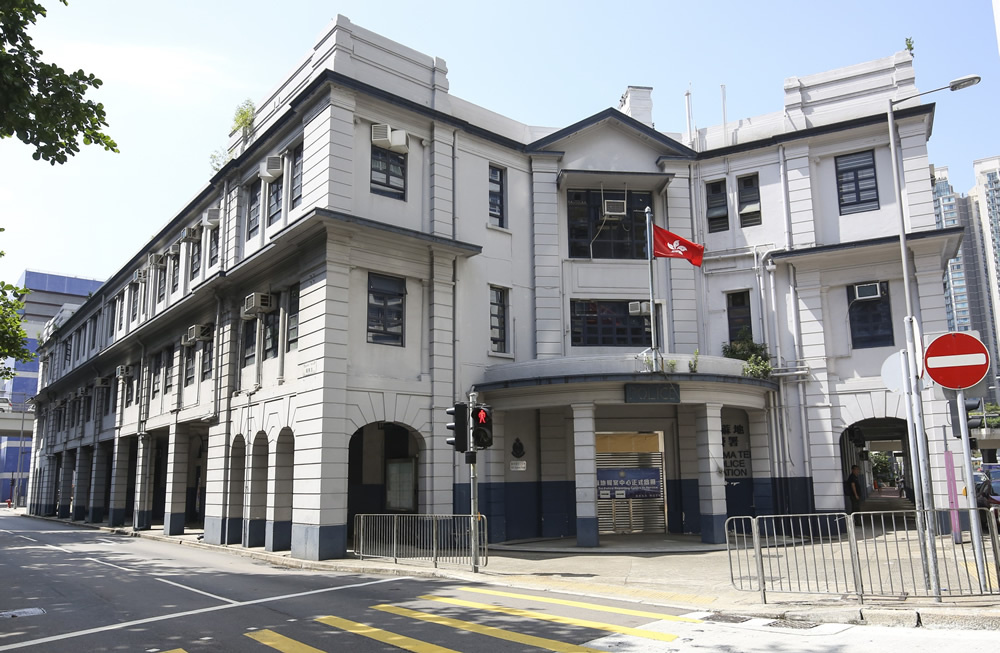
Not too far away from Temple Street is the Old Yau Ma Tei Police Station (舊油麻地警署). It was built in 1922. It is a 3-storey Edwardian-style historic building. The structure features white and light-blue neoclassic-style architecture including a beautiful semi-circular portico. You can watch this YouTube to know more about it: https://www.youtube.com/watch?v=3bhHgNeI7IA . Many Hong Kong films were shot there especially the cops and robbers ones.
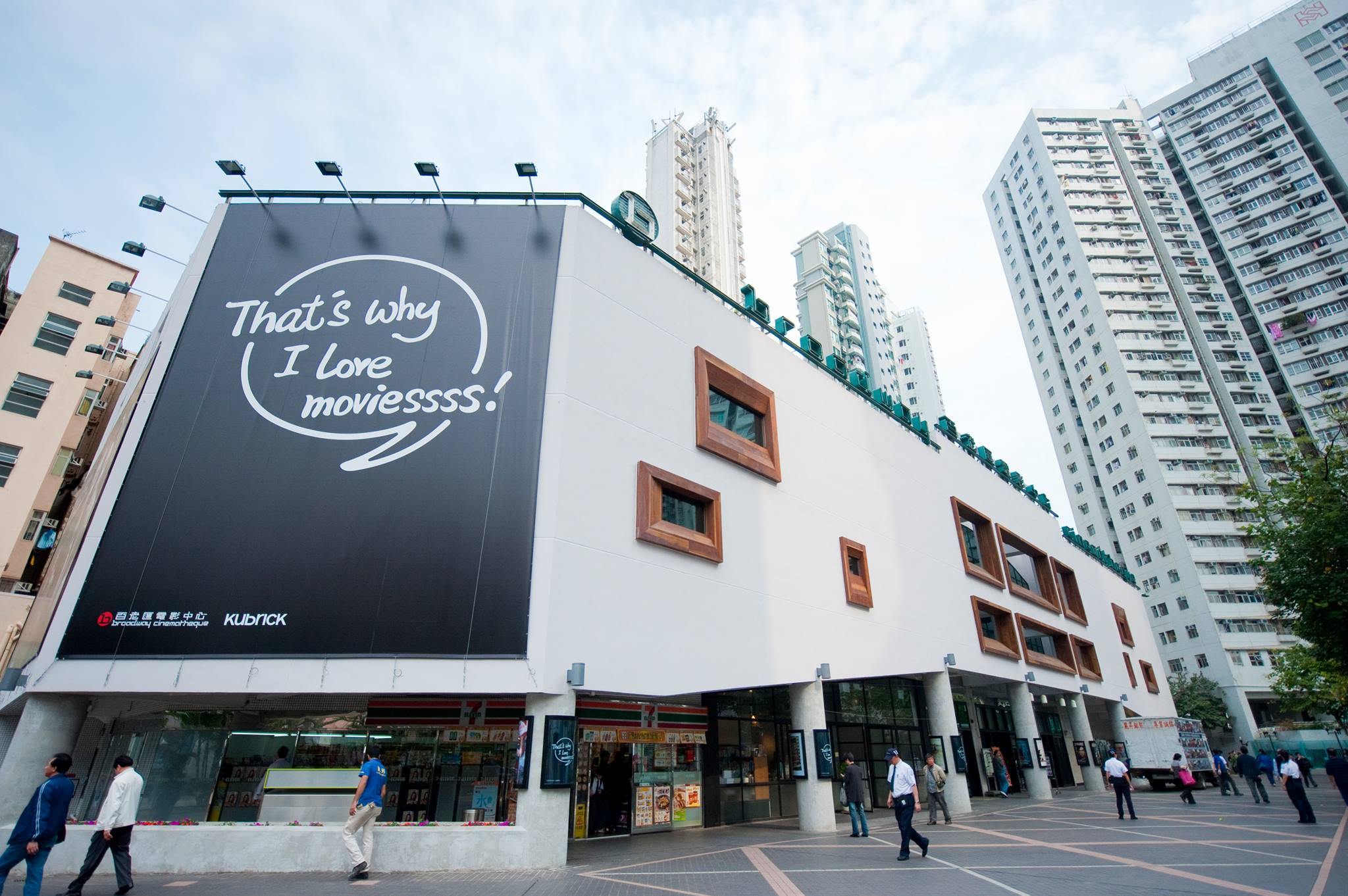
Opposite to the Police Station is Broadway Cinematheque (百老匯電影中心). Established in 1996, the place is a premier arthouse cinema owned by Edko Films. It became an influential cultural venue in Hong Kong, known for showing French, Japanese, Taiwan, Spanish and even Iranian independent films. It holds major art events like the Hong Kong Asian Film Festival (香港亞洲電影節). The cinema is integrated with Kubrick, a tasteful bookstore, a DVD shop, and a cafe adjacent to the theatre, creating a unique and fulfilling space for young cinephiles.
These days, the hipsters and intellectuals from the Chinese Mainland are drawn to the place like moths to a flame. You can watch this YouTube to know more about it: https://www.youtube.com/watch?v=0wIKSaXOfzQ .
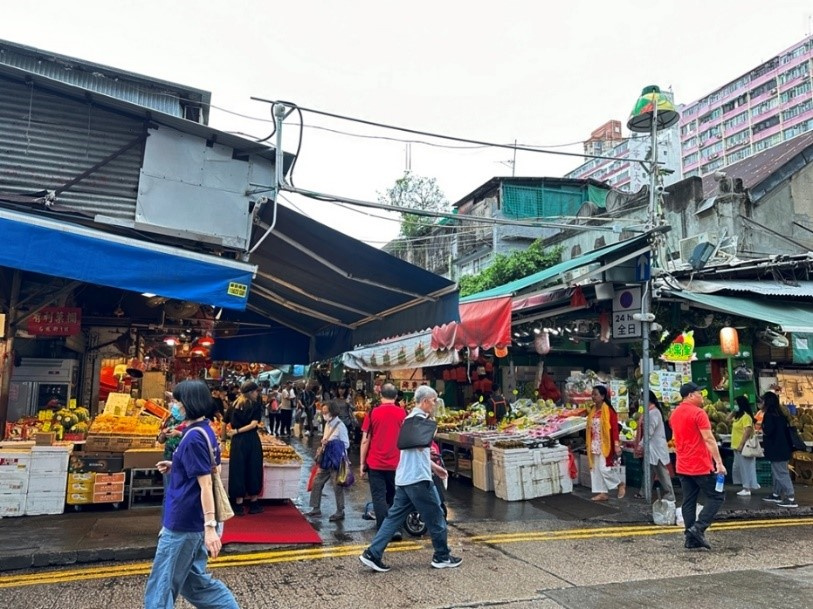
Finally, your slow-paced city walk to experience the cultural loveliness can cover 2 more nearby stops which are next to each other: Yau Ma Tei Theatre (油麻地戲院) and Yau Ma Tei Wholesale Fruit Market (油麻地果欄). The former is the only remaining pre-World War theatre in Hong Kong (link is: https://www.youtube.com/watch?v=itDSmNdvvUE ) and now converted as a romantic performing venue for Cantonese opera. The latter was founded in 1913. It is now a fruit wholesaling market. After nightfall, you will see hundreds of sweating labourers moving wooden carts and handling fruit boxes (link is: https://www.youtube.com/watch?v=0utIAxOGg9g ) in the vicinity.
City charm of Hong Kong lies in her special blend of people, history and culture. The noise, the crowds, the chaos—they are all part of Hong Kong’s great fascination.
This article can also be found at the following sites: