
The art boundaries between “orthodox” and “atypical”, and between “high” and “low”, are speedily disappearing.
Thomas Hood, a poet, said, “There are 3 things which the public will always clamour for sooner or later : namely novelty, novelty, novelty.” In life, nothing is new actually and the novelty lies in your reaction to it.
New ideas are needed as a fuel to propel an artist’s creativity into unprecedented expressions. When new art forms come, others follow. The restlessness of acolytes will intensify until the trend disappears or loses its spark. Art is, after all, perhaps about fussiness.
Technology makes me feel blue. It makes our life too complicated. I wish technology to be “better never than early”! Things like AI or robots cause the future of human beings to be intimidatingly uncertain, as precariously as piling eggs together.
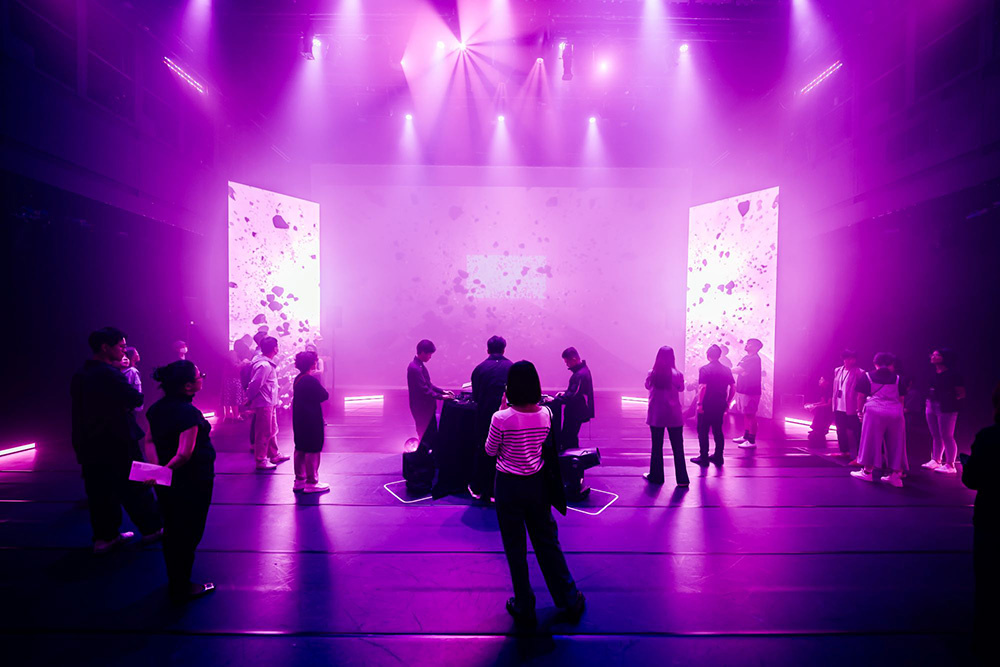
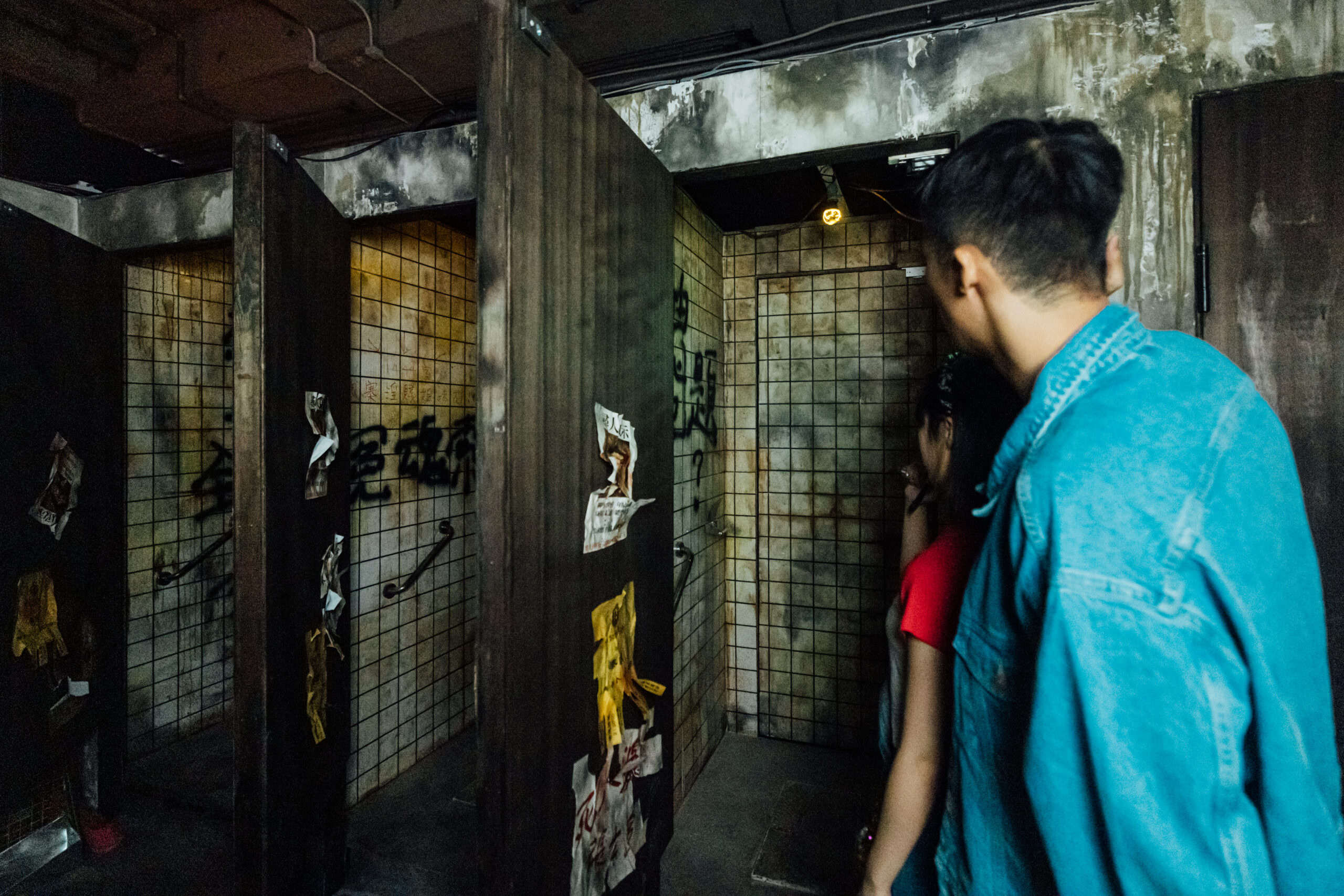
Nowadays, technology and novelty work together to emit a great sensation called excitement. The new genre is a buzzword: “immersive theatre”. It can come in the form of “highly theatrical escape rooms” (e.g. actors play with the audience in order to discover clues to escape from the site in a limited amount of time). The other form can be “ASMR-based” experiences (autonomous sensory meridian response) (e.g. through the sensors installed at the site, the audience, and the lighting, sound and visual installations react to each other. Could you imagine that you can even talk to a 3-dimensional image formed by the light beams from a laser light source?).
The 3rd kind is inviting the audience to the stage. The audience either gather around the actors while the latter are performing or go to the extent of performing together with the actors. Participants are even allowed to touch stage props.
The 4th idea is to take the theatre space outdoor or to a non-theatrical location. Audience walk past different scenes and stop to enjoy drama, music and dance with live performers at different spots. I had a good time to experience an immersive show inside a church.
Finally, there are “grand spectacle installations” in the context of a theatre production. Gimmicks are such as sound and lighting effects, moving theatre seats providing an interactive experience by engaging the viewers’ sense of touch, splashing water on the face of audience and the use of scent as an atmospheric cue. Some performances even ask the audience to wear a VR mask in order to enjoy a virtual reality experience. In the art world, directors have never run out of new ideas to inspire, if not excite, the audience. But, how many of them can stand the test of time?
True love for drama should be the drama itself. Plot, character and tension form the very basis of a great drama. We want to watch how a story is told. The elements of “immersiveness” may help a director get his job done well with certain new thrills. But when the audience get used to the immersive thrills, the joy will level out and stop going up.
Immersive theatre disrupts the traditional theatre setting. The new space arrangements may provide an environment where the audience will be in closer proximity with the drama in a shared reality. The audience are no longer passive observers but will take an active role in the performance. Speaking for myself, the taking away of “the fourth wall” between the audience and actors can sometimes amount to a disrespect for the artistic integrity of a performance! How many actors would really enjoy performing with the audience together when the audience are not acting professionals?!

This article can also be found at the following sites: