
There is a Chinese idiom “the cleverest housewife cannot cook a meal without rice”. The English saying is “you cannot make bricks without straw”. In the art world, money matters but is only to a certain extent. I never have a moment of doubt that a bright future comes from the willingness and hard work that are put by the artists into the future.
Costs of doing an opera are high these days, and they can be broken down into 7 broad categories: script and development, venue rental, salaries of backstage and frontstage players which include the big-name actors, musicians, rehearsal fees, stage setups and publicity campaigns. Every item costs money.
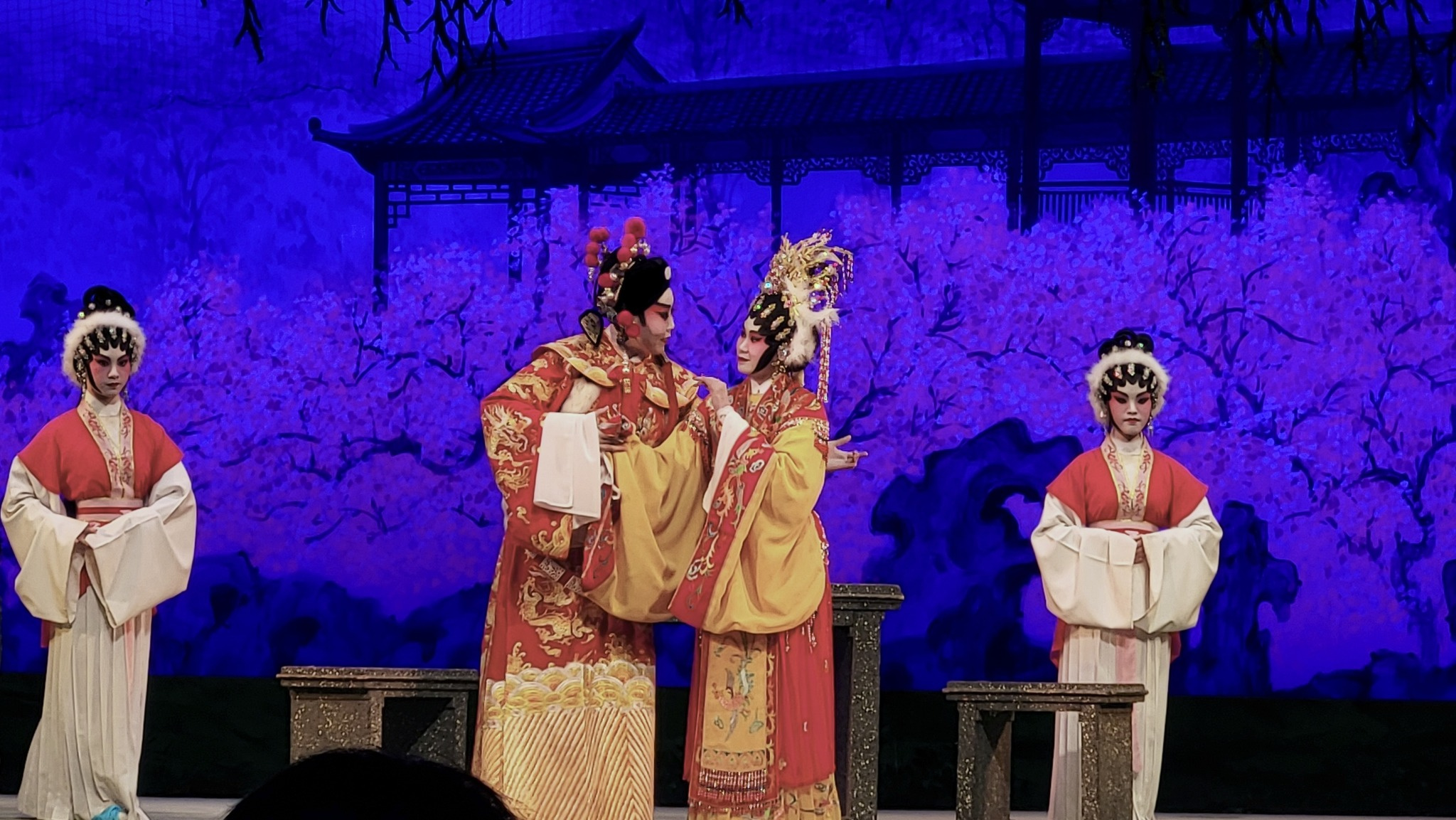
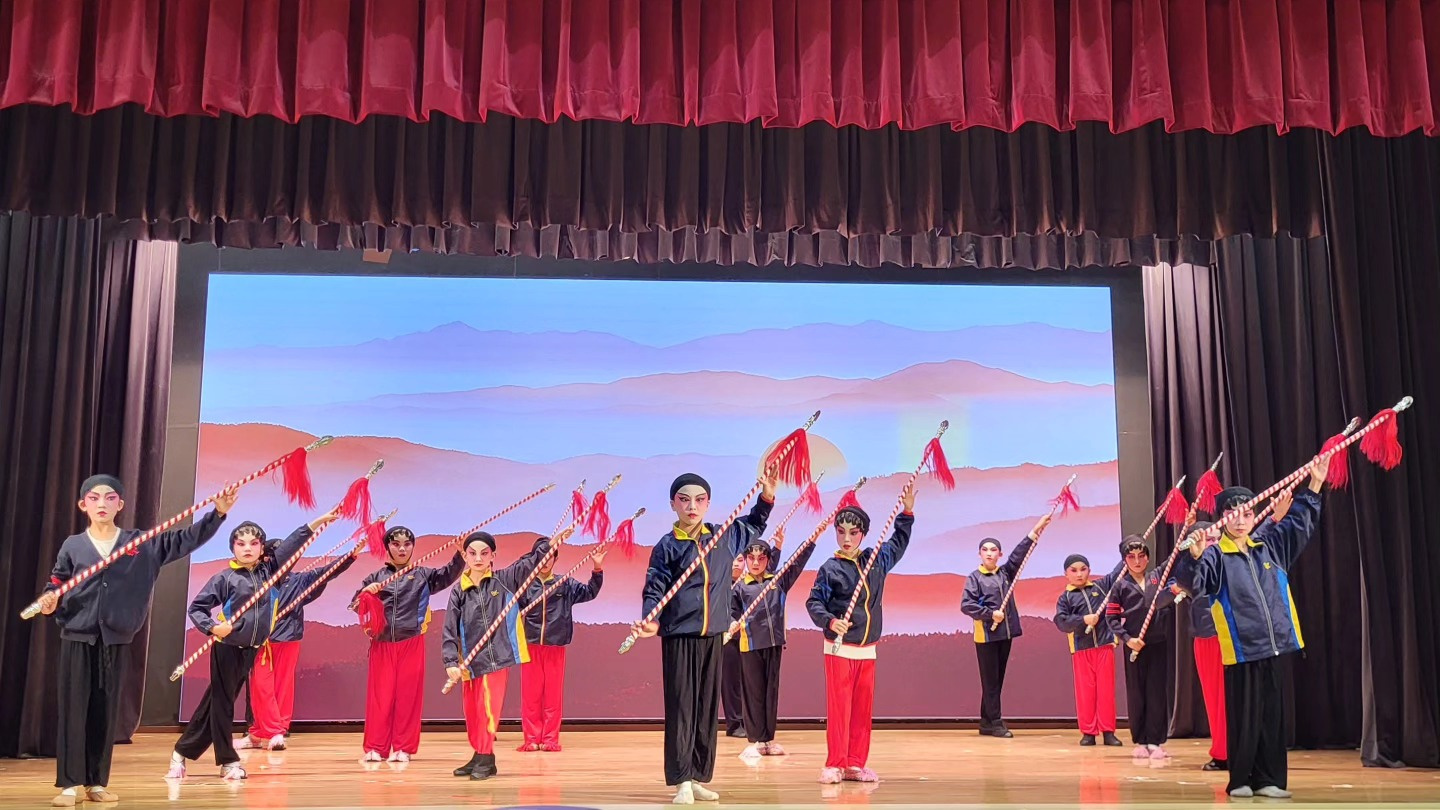
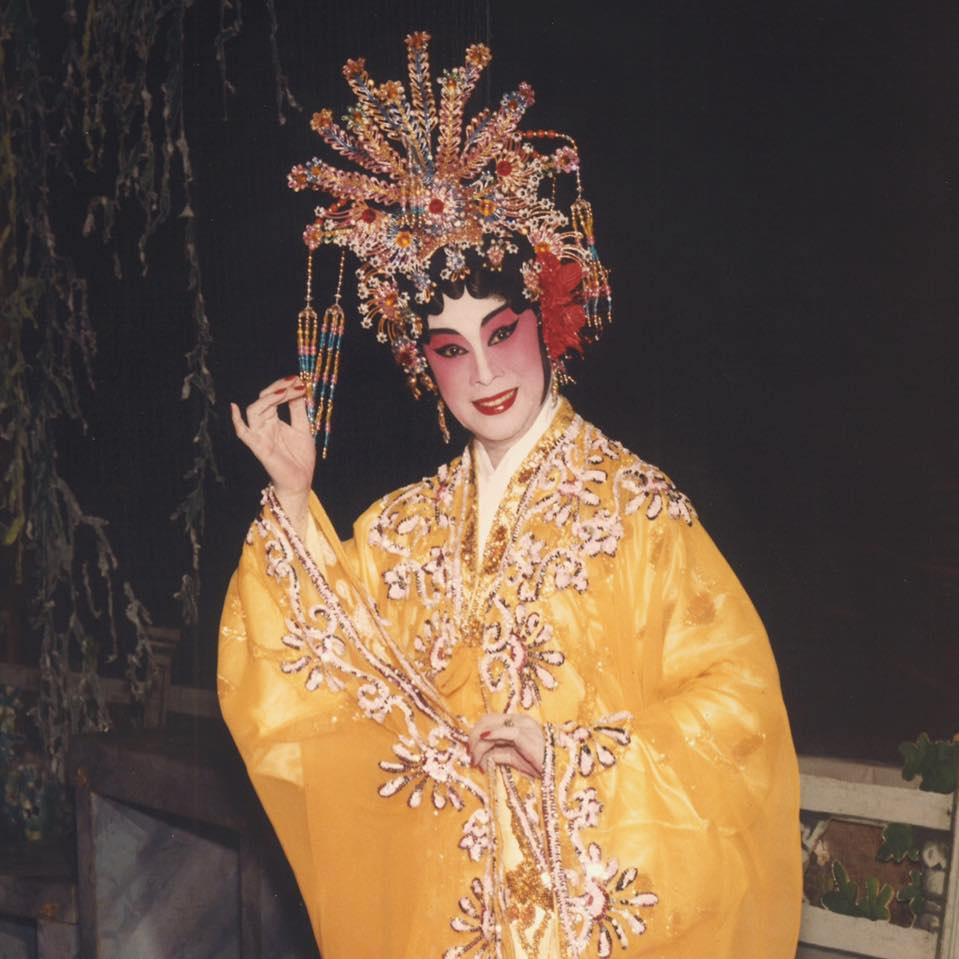
I was appointed by the government to be the Chairman of Cantonese Opera Development Fund Advisory Committee about 2 years old. The fund was set up approximately in 2005 to promote the development of Cantonese Opera (粵劇) (or daai hei 大戲). In Hong Kong by granting subsidies to the Cantonese opera and related projects. The targets cover performances, learning and training activities, script creating and community engagement etc. It is not an ingratiating remark that the Fund has contributed substantially. Yet, it is fair to expect the industry itself to also play a bigger part in reviving the popularity of Cantonese opera which some people ignorantly criticize as outdated and unappealing.
Let’s fact it: the industry is having its back against the wall in certain ways:
- The audience is aging and the art is no longer a popular performance across all age groups. It is imminently in need of a younger audience.
- There are technical problems that prevent Cantonese opera from attracting the modern audience. Examples are such as the show duration often being longer than 3 hours, time for changing the stage set being too long and theatrical scenery being too scanty etc.
- The standard of some in this performing art is generally ordinary and there are very few acting stars who are compelling enough to attract a large number of audience.
- The stories of Cantonese opera are often age-old and the audience, especially the young ones, find such stories out of touch with their thinking and feeling.
- Suffering from a relatively weak market, the opera troupes are in lack of a big budget to do scale production in order to fascinate the new audience.
- The highly skilled actors who can do masterful performances in the 1950s and 1960s are now getting old, and the trade does need young artists to learn from their dazzling accomplishments by co-working with these senior. Opportunities, in terms of government financial support, should be provided to the senior masters, mid-career and junior artists to produce collaborative performances.
Against the backdrop of the above problems, the Fund Committee members were trying very hard to find a way to throw a pebble into the water so as to result in good ripples. In considering for a catalytic solution, 4 things are running through our mind:
- Despite the financial constraints of our fund, we must target at a quantum leap to provide a decently huge budget to the outstanding opera performance projects to appear in the market. “Proportional budgeting” is true in the performing industry when we want to do attractive shows;
- “Catfish effect” is important in a trade. We introduce fit competitors into the industry that will devote time and effort to do good shows. Then, others will be motivated to catch up if they do not want to fall behind;
- some in the trade may look upon Cantonese opera as a means to make a living. Some may look on it as an activity for education or community missions. More artists sincerely desire to develop their full potential and upgrade their professional career. Here, we must try to fulfill the dream of the 3rd category. These artists, in their journey for the state of the art, will not only benefit the other 2 variant kinds, but they can also bring glory to Hong Kong; and
- the mentality of “free lunch” should be gone. In the wake of “cultural economy” promulgated by the government of Hong Kong, the good artists must turn themselves in with regard to learning how an opera troupe can be commercially operated. So, the project grant in question will not be a “100%” subsidy, and the selected ones must demonstrate that they are able to make ends meet successfully with the money from the Fund.
Having explained the corners and shapes, I would like to highlight some key features of “Outstanding Cantonese Opera Pilot Funding Scheme 優秀粵劇演出先導計劃” :
- The applicant shall be a Cantonese opera artist with 20 years’ experience, and he or she shall work with an opera group;
- the applicant shall already carry a market impact;
- new script is to be preferred;
- the number of shows shall not be fewer than 3 and our financial support shall not be more than HK$1.2 millions;
- in case of re-running the Cantonese opera for not fewer than 3 shows, the extra subsidy shall be not more than HK$800,000;
- the applicant will be allowed to keep ticket revenue for flexible self-use; and
- the select committee shall observe and check the progress of the successful applicants regarding their work.
For details, please check the following:
https://www.coac-codf.org.hk/tc/codf/outstanding_cantonese_opera_pilot_funding_scheme.html
We are also discussing the possibility to enable the Cantonese opera artists and their works in Hong Kong to take part in the national competition for honours and awards when some are great enough. Victory, if any, will bring prestige to Hong Kong, apart from balmily enriching the cultural achievements of our Nation.
I must stress that the good deed of the government is just a pilot scheme that is to be reviewed after 2 years. Our Fund Committee does need the indispensable support from the artists and professionals in the industry in order to prove that the project will be a viable strategy. Mediocrity and lack of ambition will shut down the chance of an artist for triumph.
We earnestly hope to see more interested parties to apply to the Fund to stage impressive Cantonese operas. No reality shall derail you from your dream. Glorious success comes from one’s effort, sacrifice and persistence!



This article can also be found at the following sites: